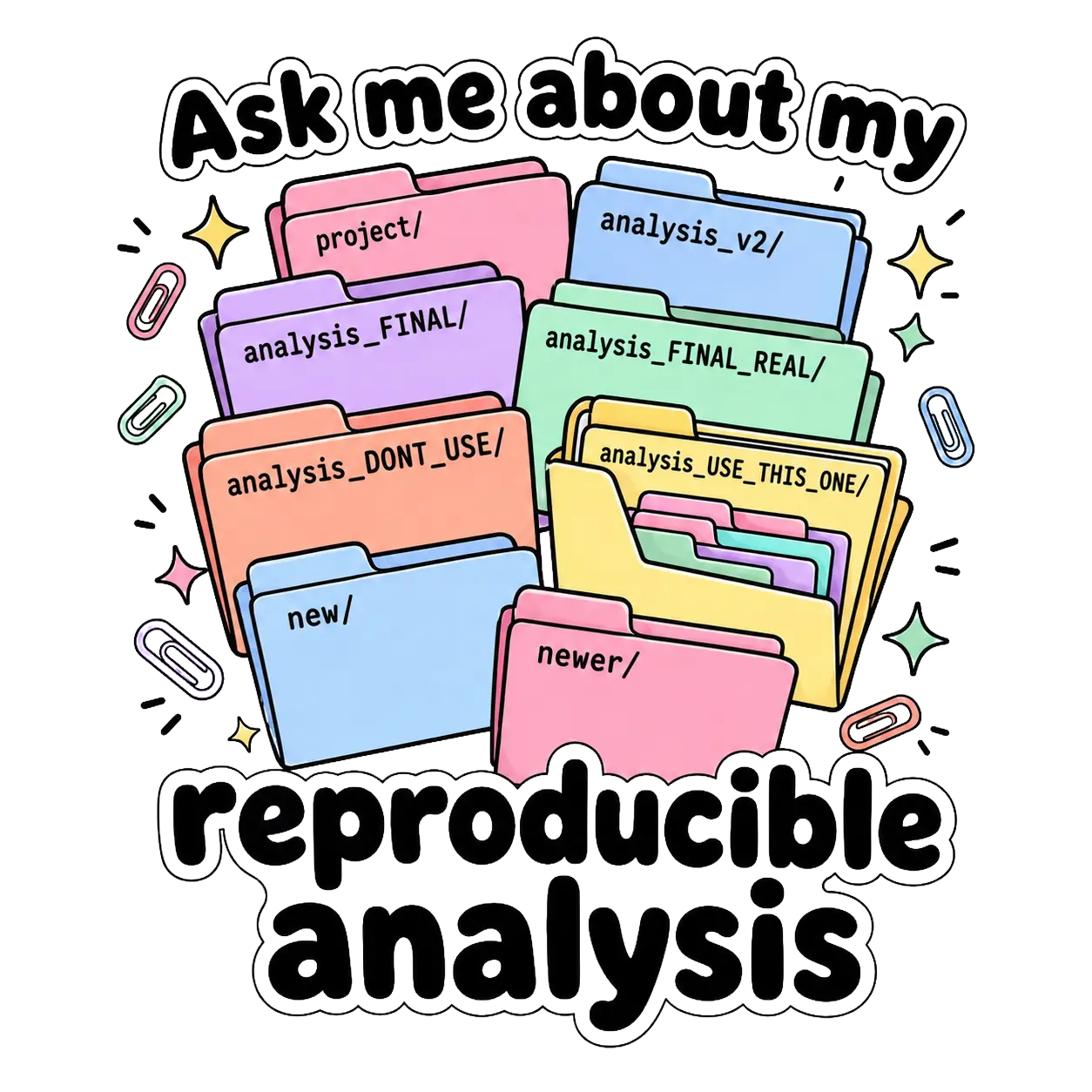
Reproducible Research in R
RaukR 2026 • Data Science With R
20-Aug-2026
Contents
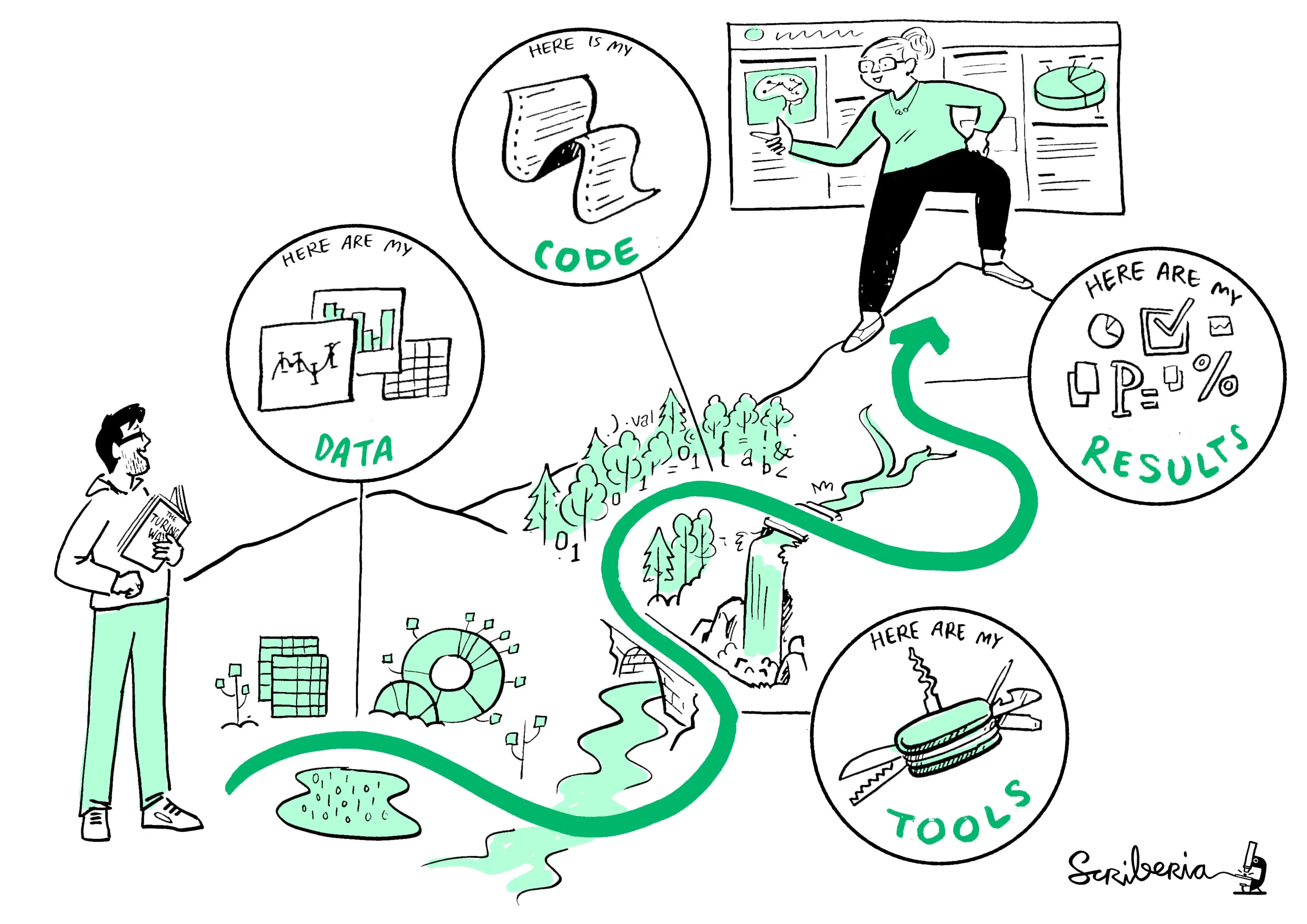
- Why reproducibility matters in computational research
- Reproducibility steps and guidelines
- Tools and resources for reproducible research in R
What’s all the fuss about?
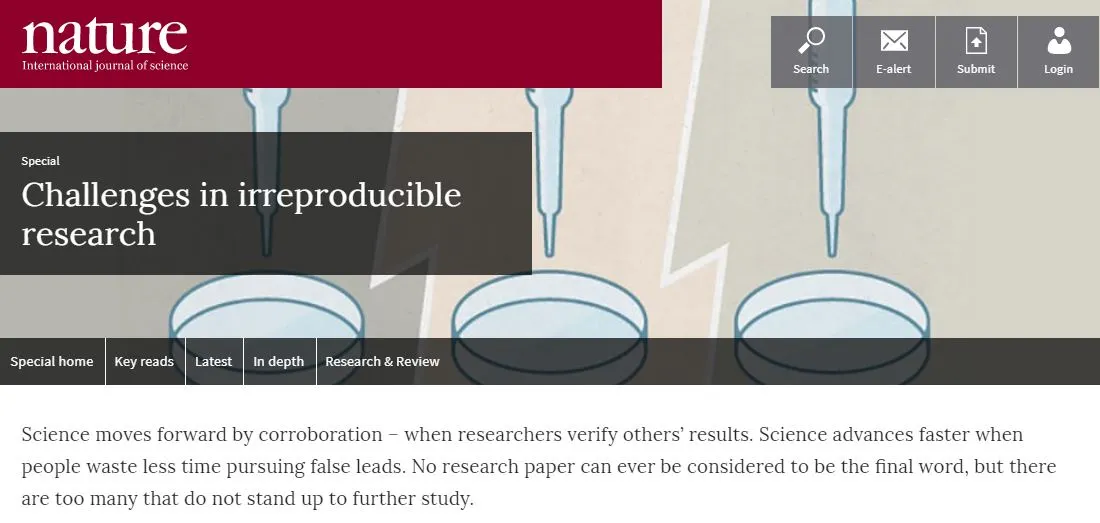
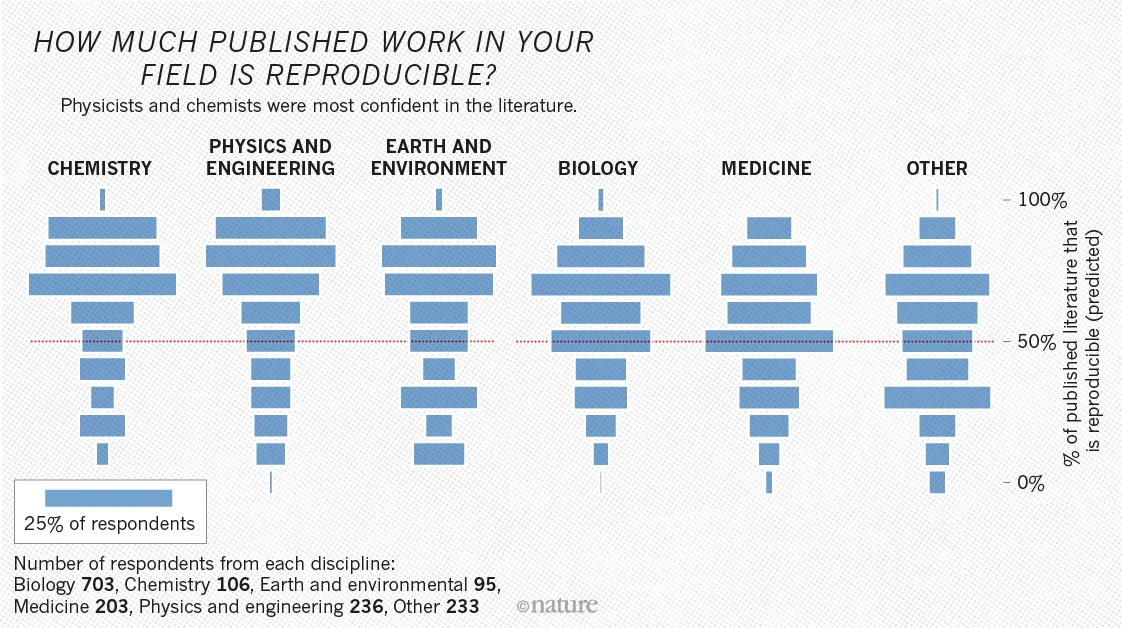
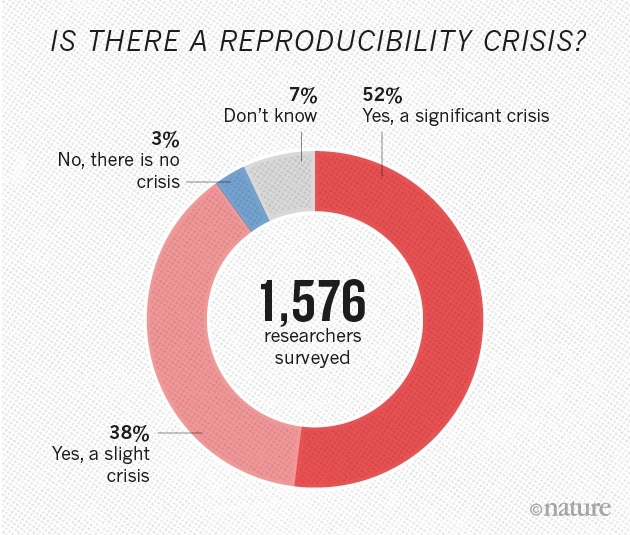
Reproducibility crisis?
What is Reproducibility?
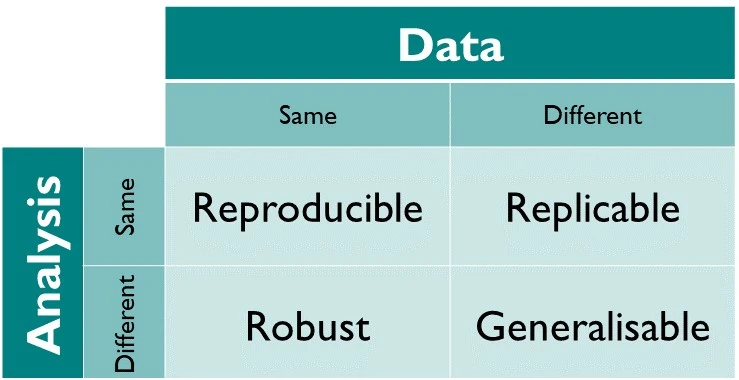
A study is reproducible when someone else (or future you) can obtain the same results using the same data and code.
Steps in reproducible research
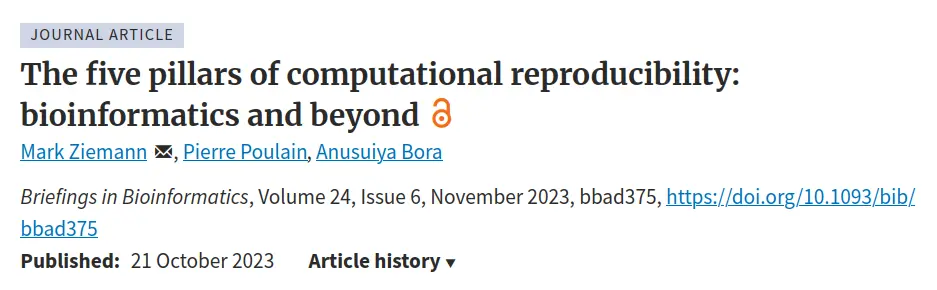
- Literate programming
- Code version control and sharing
- Compute environment control
- Persistent data sharing (FAIR principles)
- Documentation
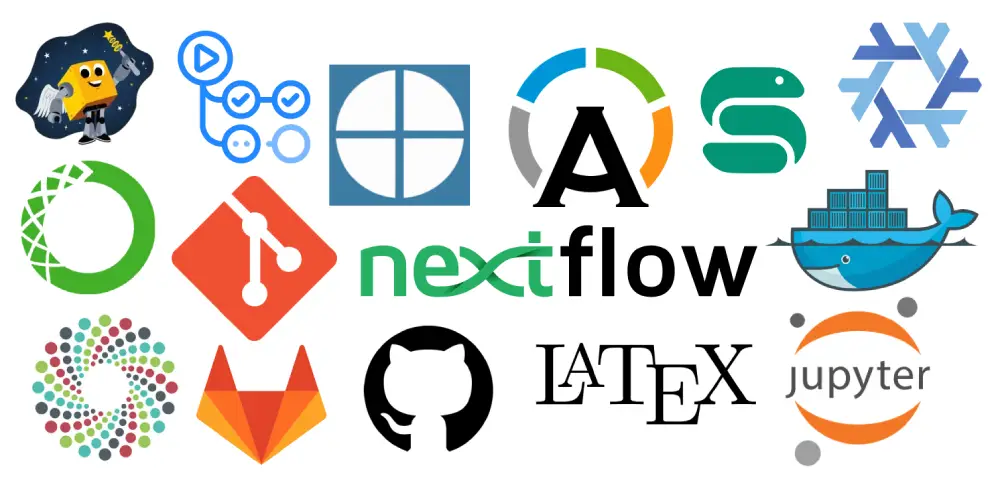
The Reproducibility Stack
A project needs several layers of reproducibility:
- Version control.
Git - Share and track code.
GitHub, GitLab, Bitbucket - Packages and environment manager.
renv, uvr, rv, Conda, Pixi, Nix, rix - Notebooks and documentation.
Jupyter, RMarkdown, Quarto, LaTeX, workflowr - Containerized computing environment.
Docker, Apptainer - Pipelines and workflow manager.
Snakemake, Nextflow, targets - Continuous integration and deployment.
GitHub Actions, Gitlab CI/CD, Jenkins, Travis CI - Data storage and sharing.
Zenodo, Dryad, OSF, Dataverse, Figshare
Code • Be kind to future you
- Write modular, reusable functions instead of long scripts
- Use informative and consistent naming and style guides (e.g., tidyverse style guide)
- Set seed for reproducibility of random processes
- Separate configuration / settings from code
- Use version control (Git) for code and documents
- Host code in a public repository (GitHub, Gitlab, Bitbucket) for backup and collaboration
- Projects should be self-contained and portable
- Use project root as the reference point
- Use relative paths instead of absolute paths for file access
- Avoid
setwd()to local paths in code
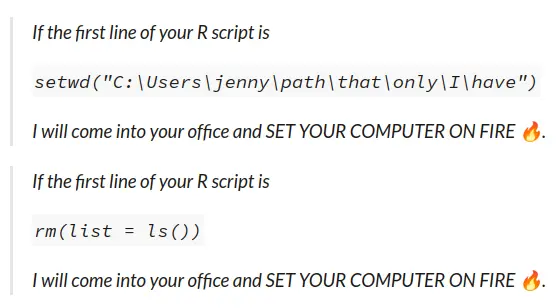
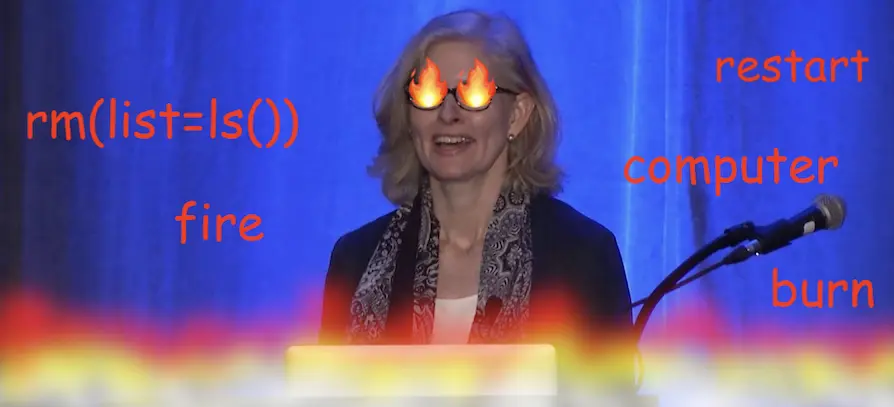
Your most demanding collaborator is future you, who remembers nothing.
Data • Sharing is caring
- Store data in a structured and organized manner
- Prefer open formats (CSV, TSV, Parquet) over proprietary formats (Excel, SPSS, SAS)
- Use a data management plan (DMP) to outline how data will be collected, stored, and shared
- 3-2-1 data backup rule: 3 copies, 2 storage media, 1 off-site
- Separate raw and processed data
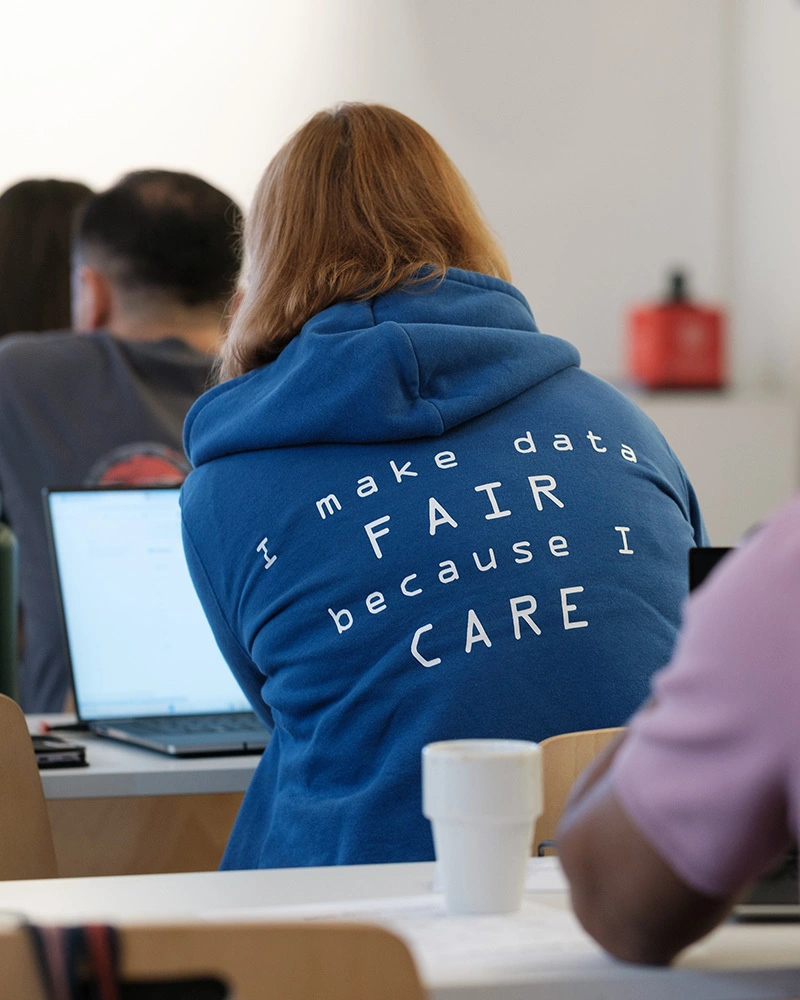
- Share data and code in a FAIR manner (with DOI if possible)
- Use a data repository (Zenodo, Dryad, OSF, Dataverse, Figshare) to share data
“Your downloads folder is not a data repository.”
Further Reading
- A Beginner’s Guide to Conducting Reproducible Research Alston and Rick (2021)
- Six steps towards reproducible research Opus Project
- Reproducible Research with R and RStudio Gandrud (2020)
- ORIRIS Project
- The Turing Way — Guide for Reproducible Research
- Introduction to Data Management Practices NBIS Workshop
- Reproducible Research: Principles and Practice Schweinberger (2026)
- Checklists
- FAIRER Aware
- International consensus on core reproducibility items in research Banzi et al. (2026)