Representation learning
07-May-2026
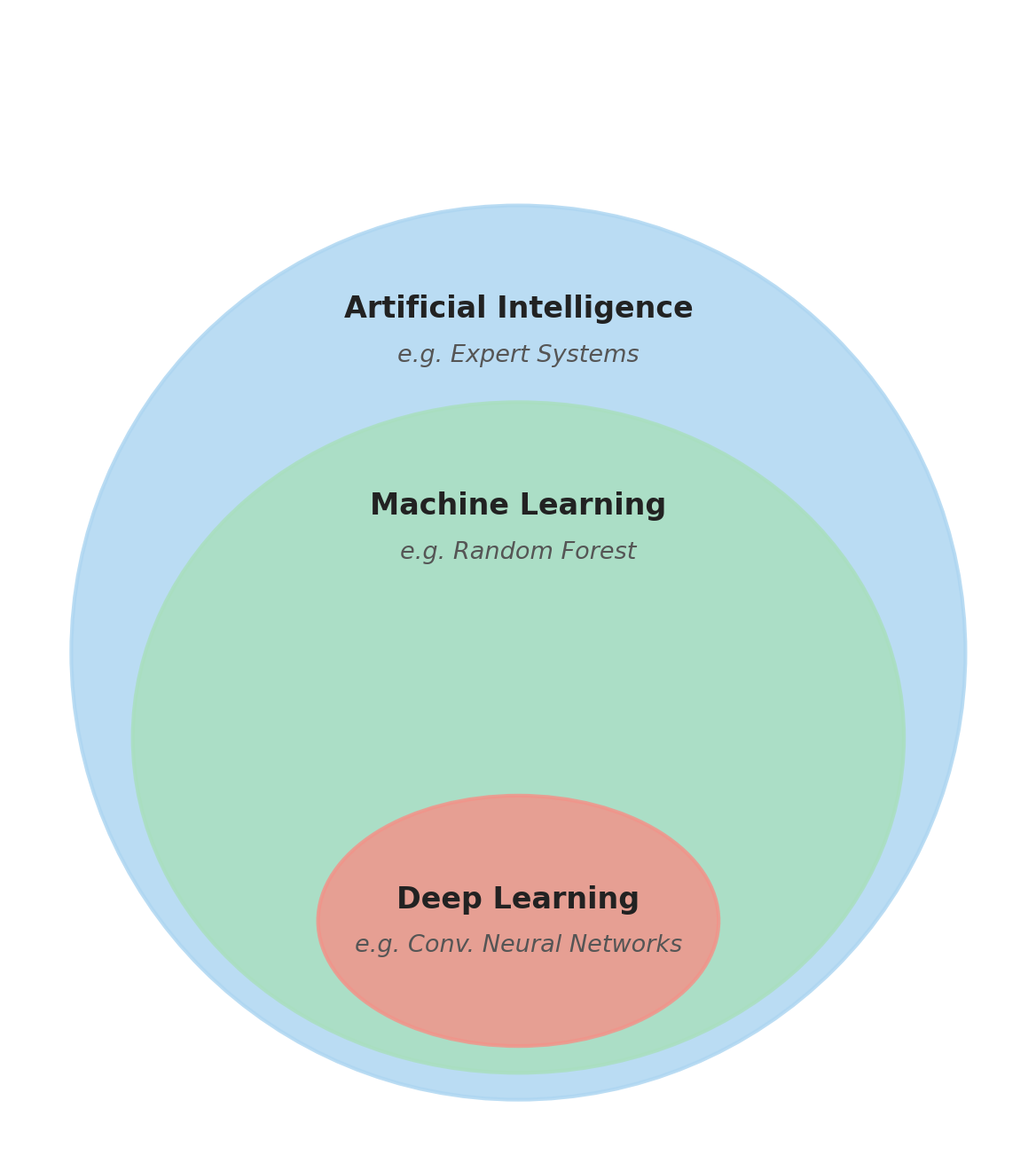
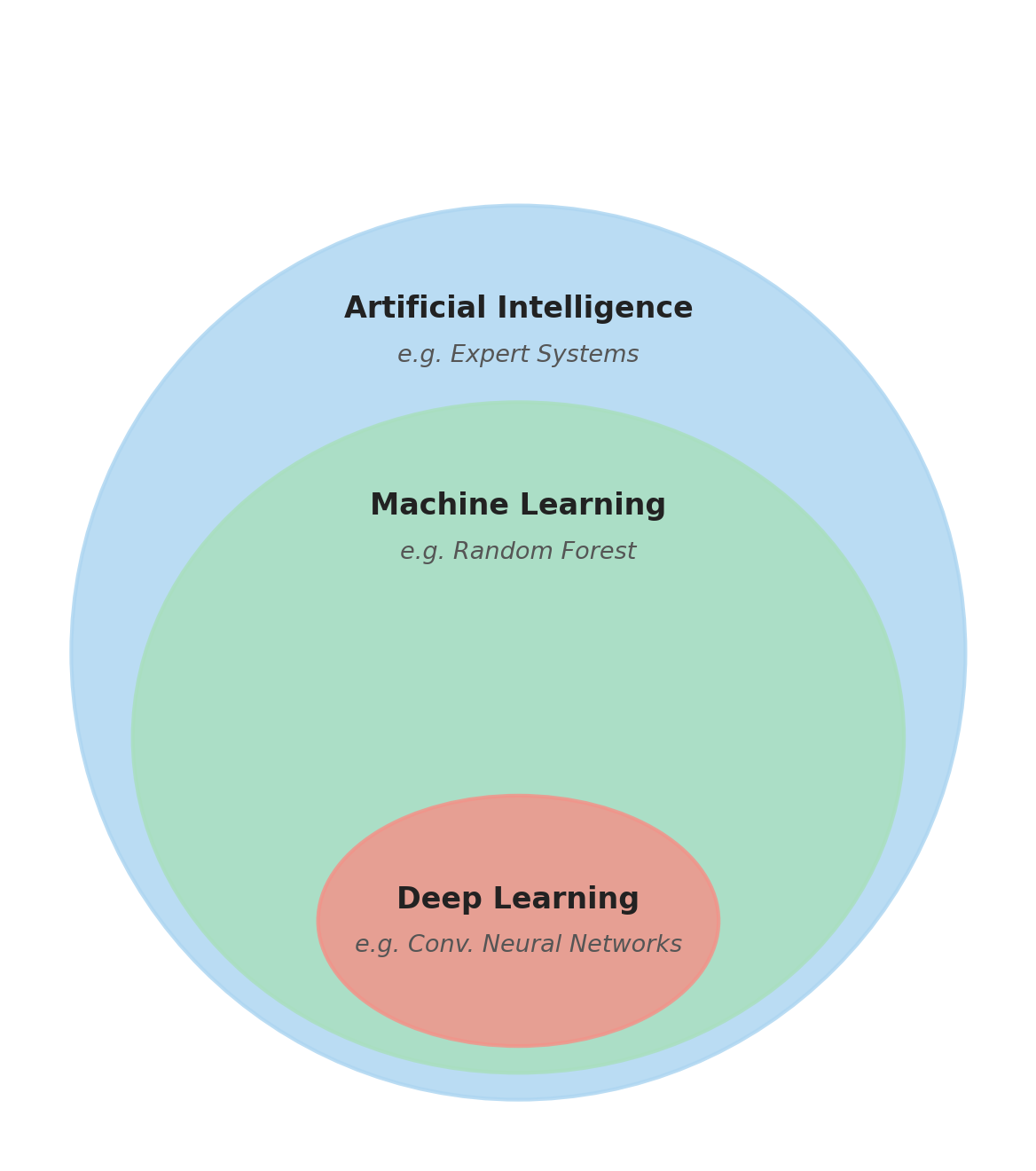
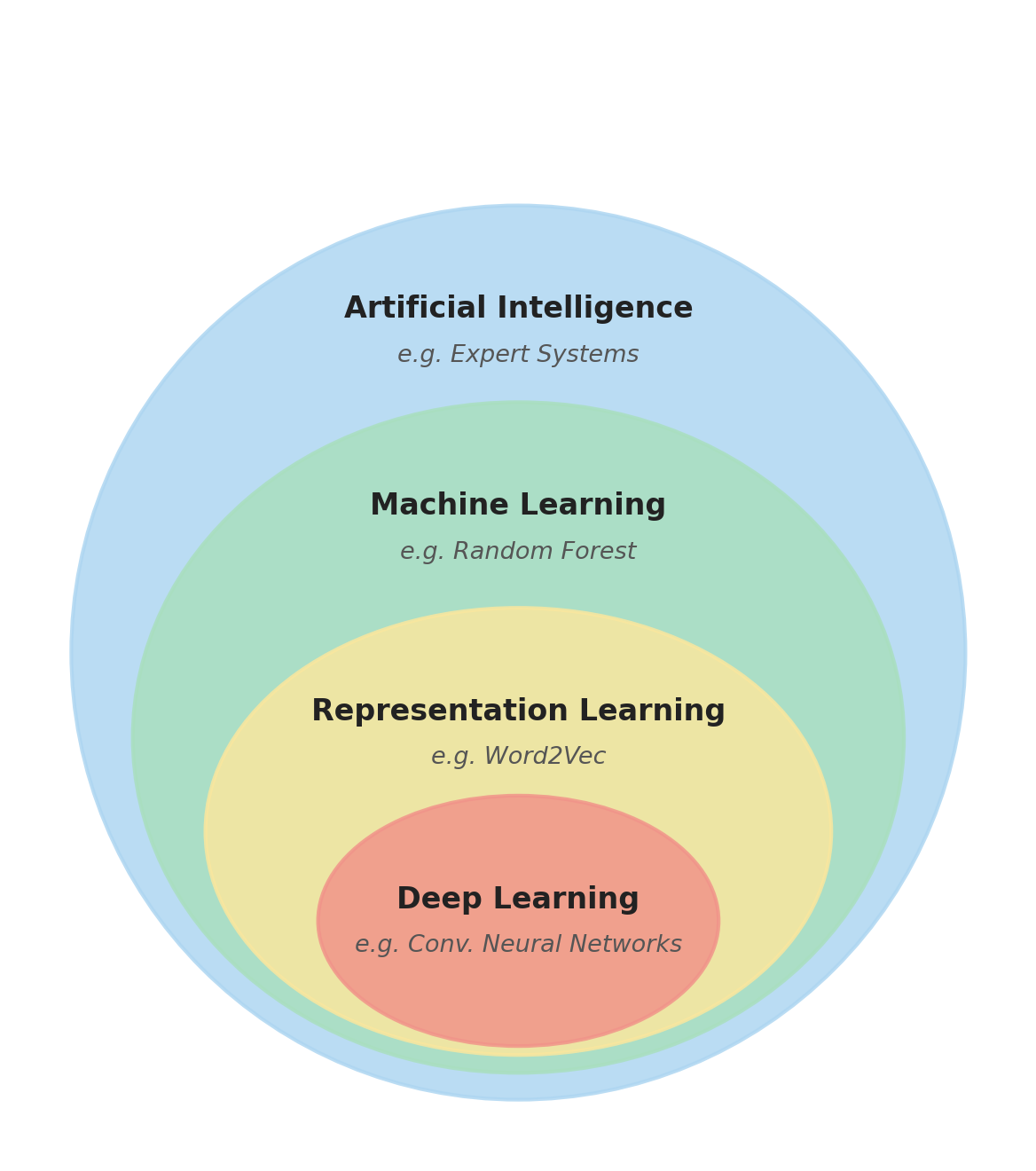
AI subfields: Representation Learning
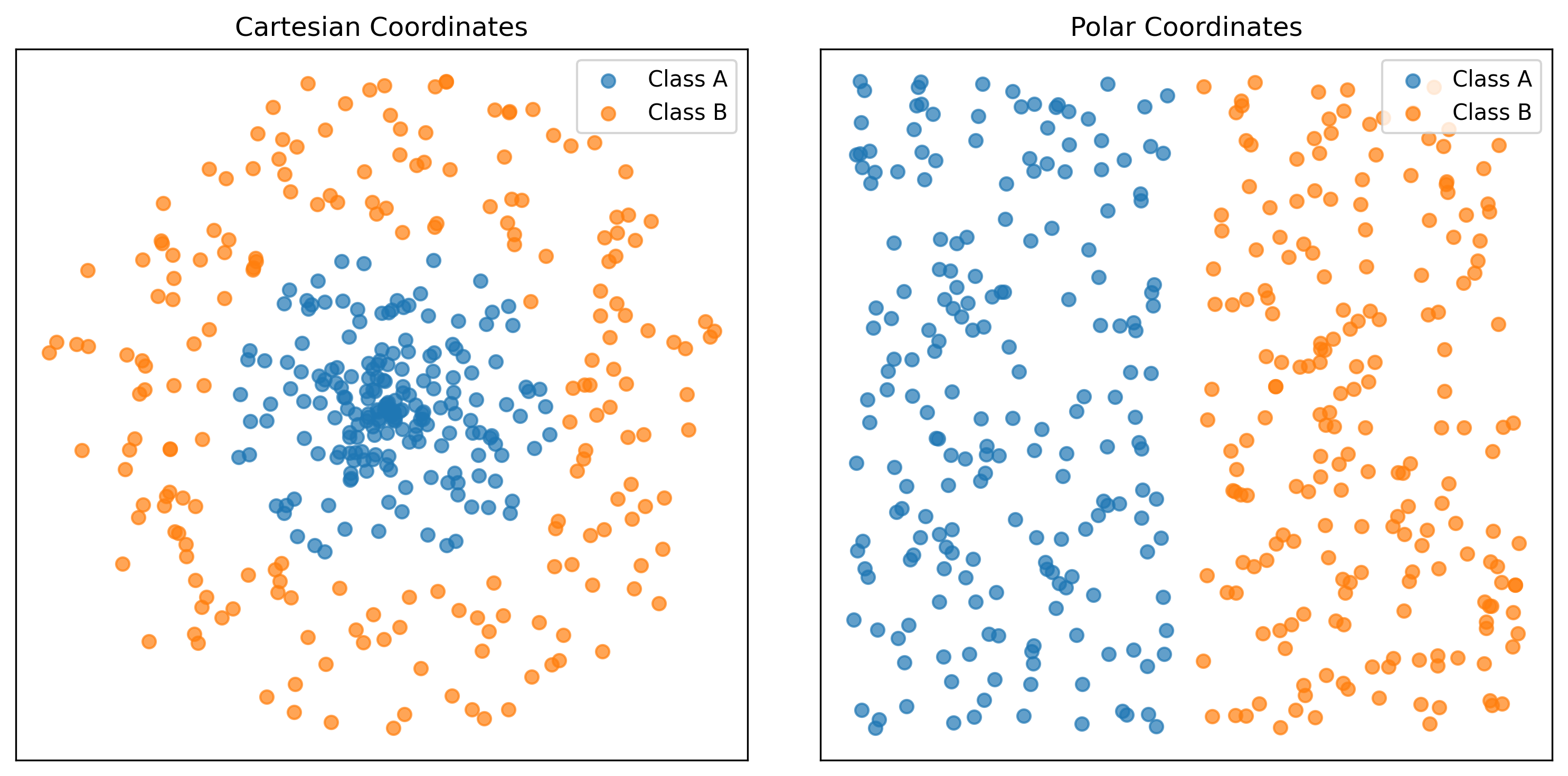
Data representation is crucial for learning
The classification head
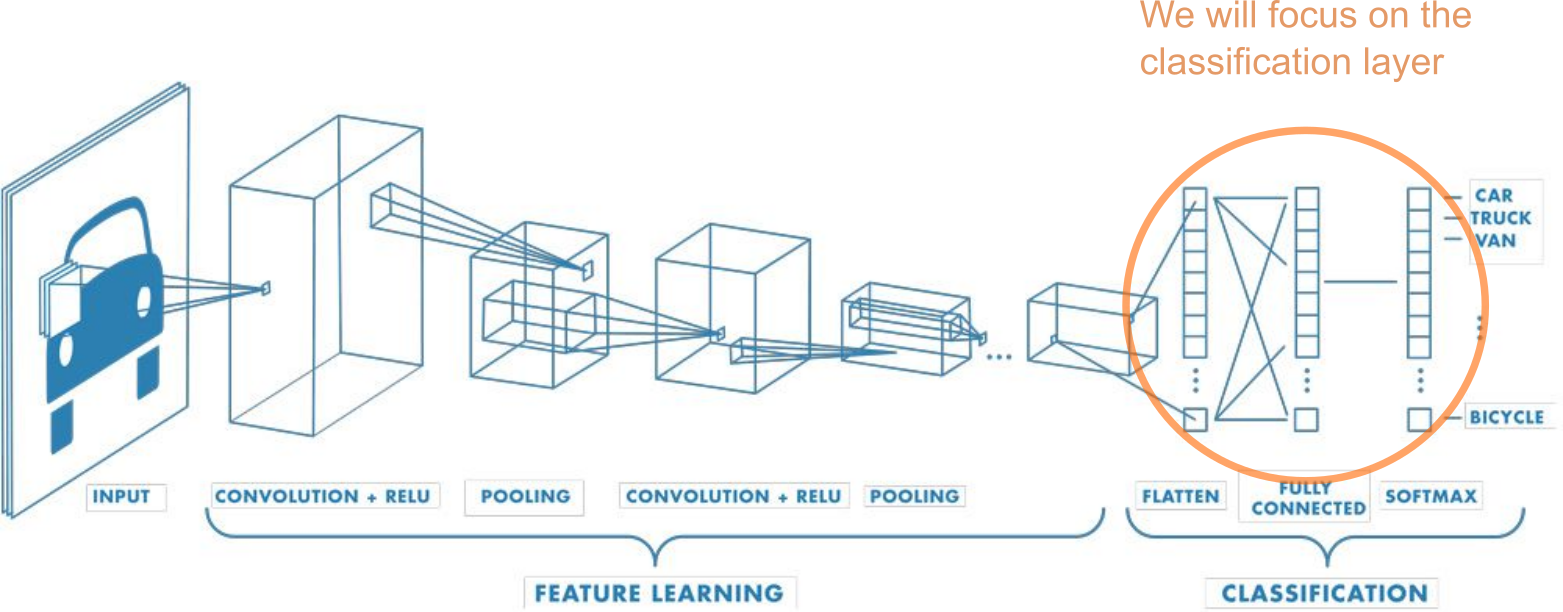
The classification head typically has a fully connected layer followed by a softmax. The fully connected layer is what we’ll look at here.
Graphical representations of neural networks
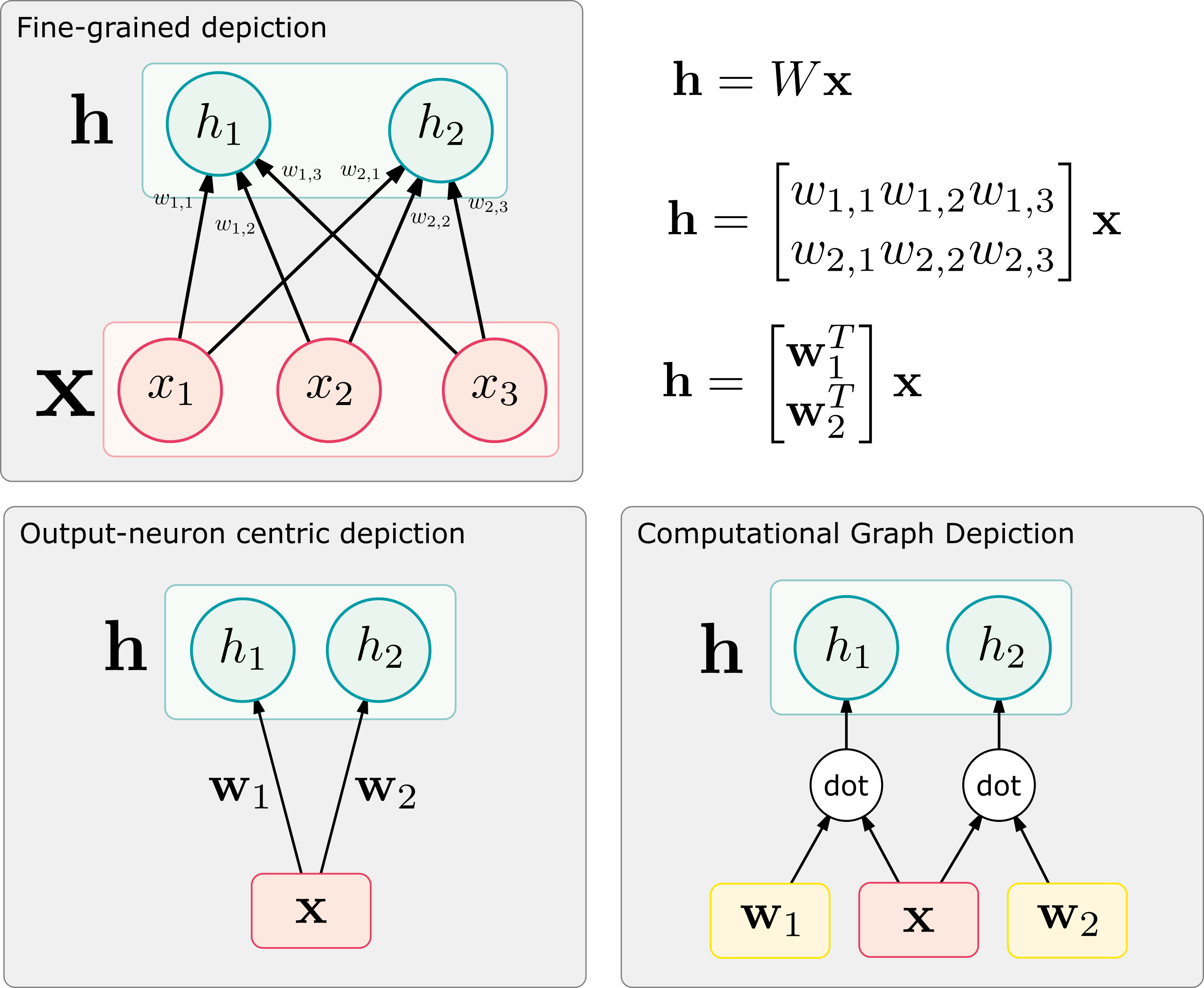
Different graphical representations of neural networks
Graphically representing softmax
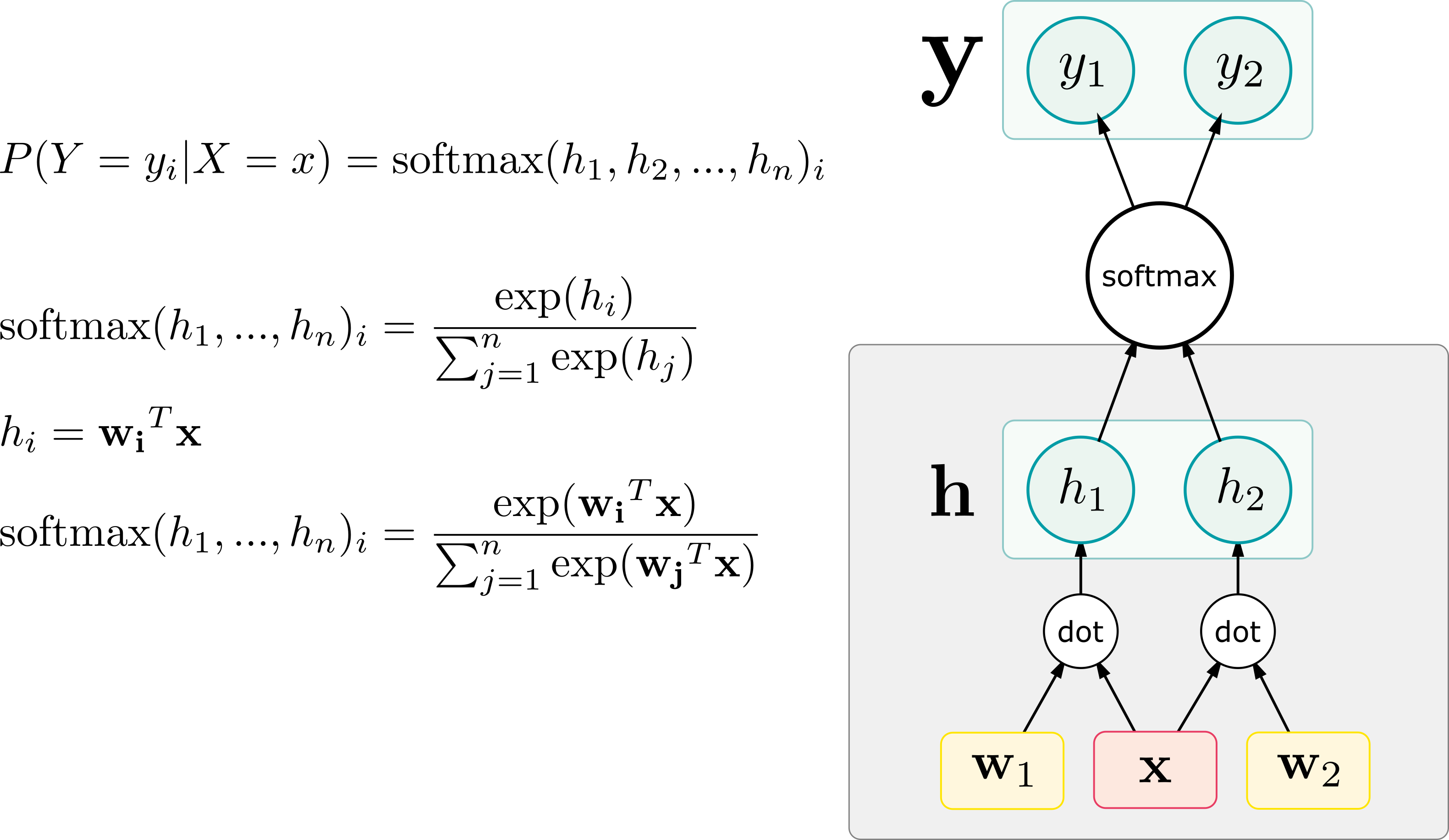
Computational graph view of softmax
Graphically representing softmax
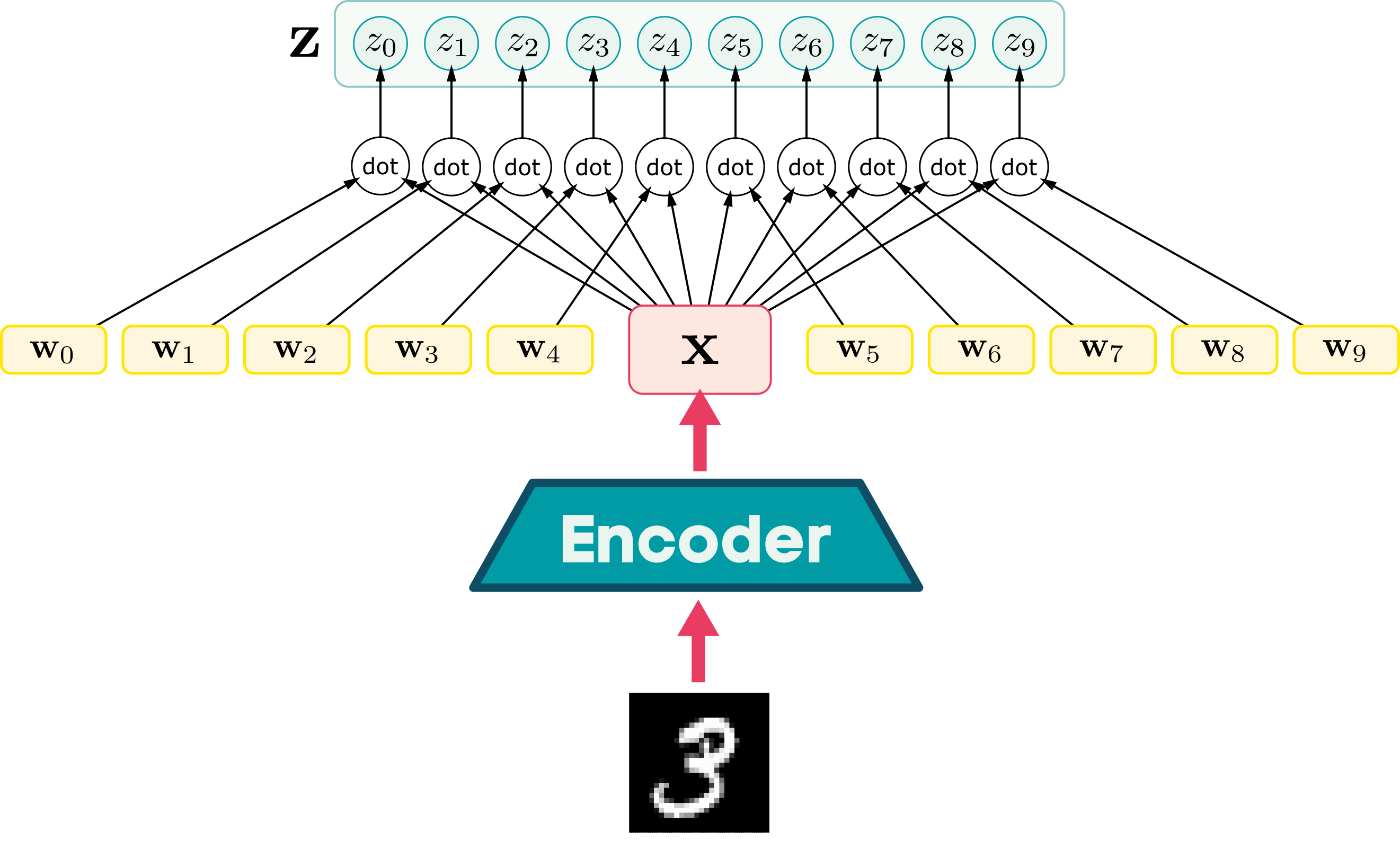
Softmax angle alignment
Using computed “softmax” weights
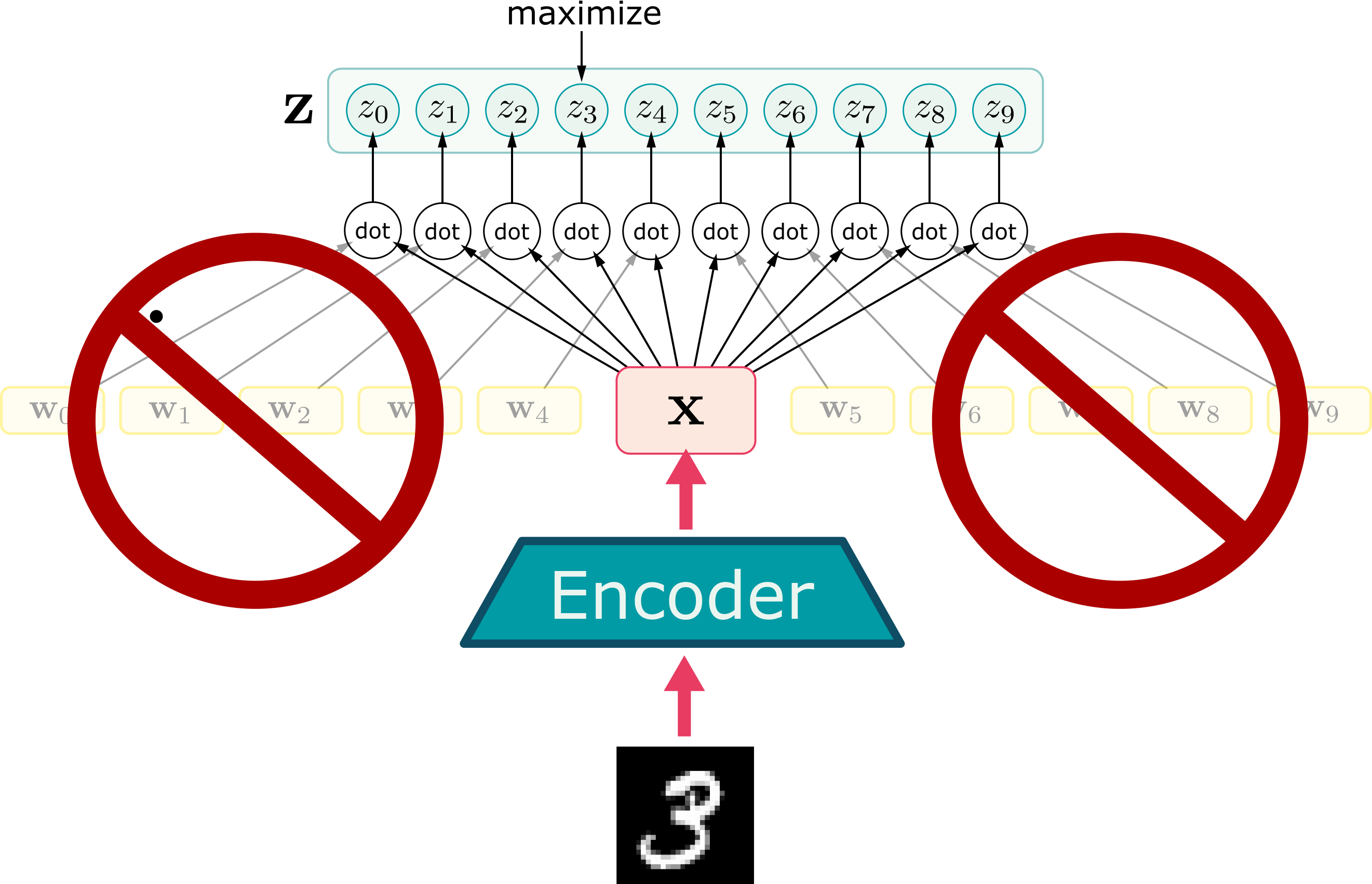
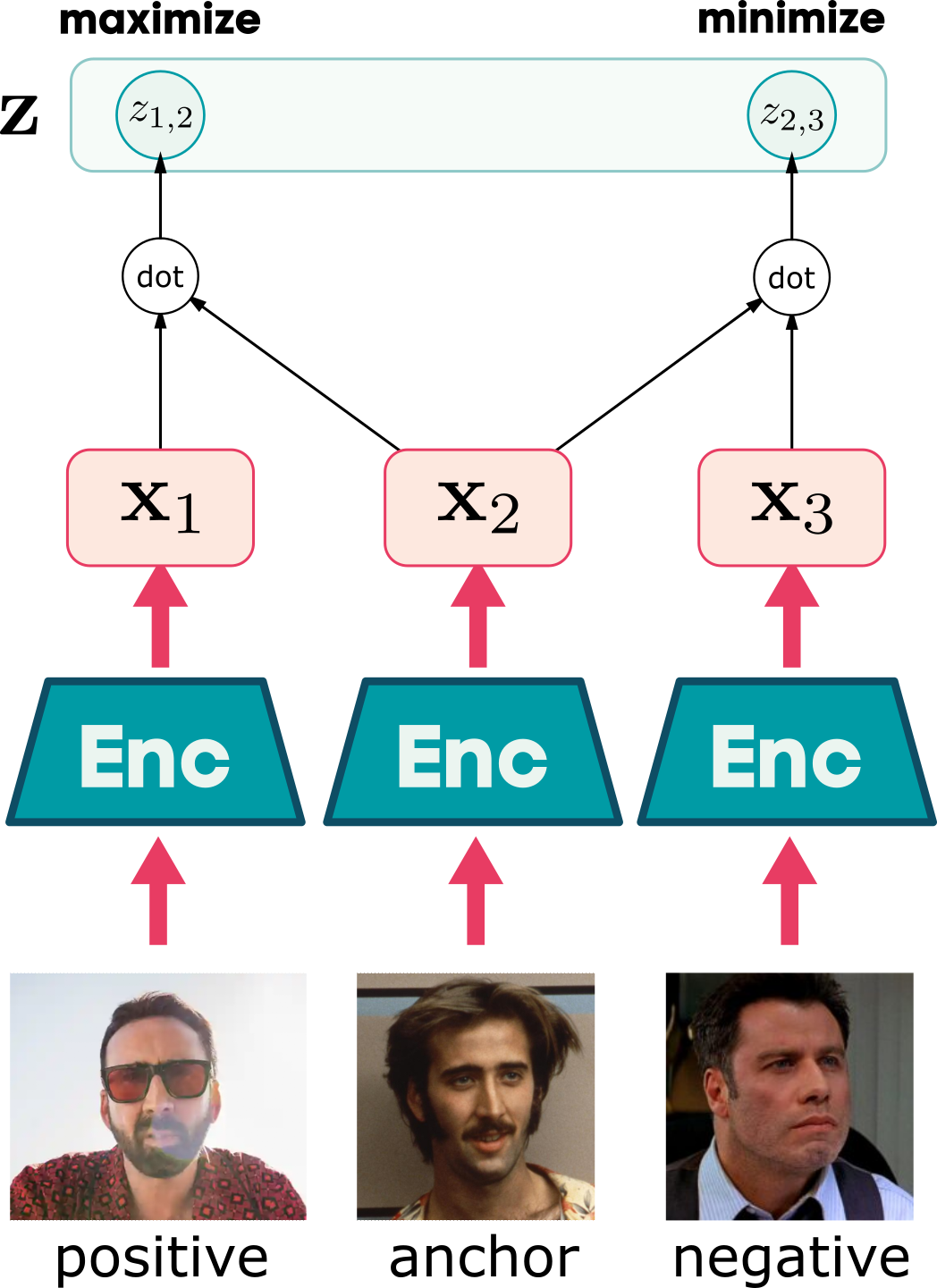
Contrastive learning - triplet loss
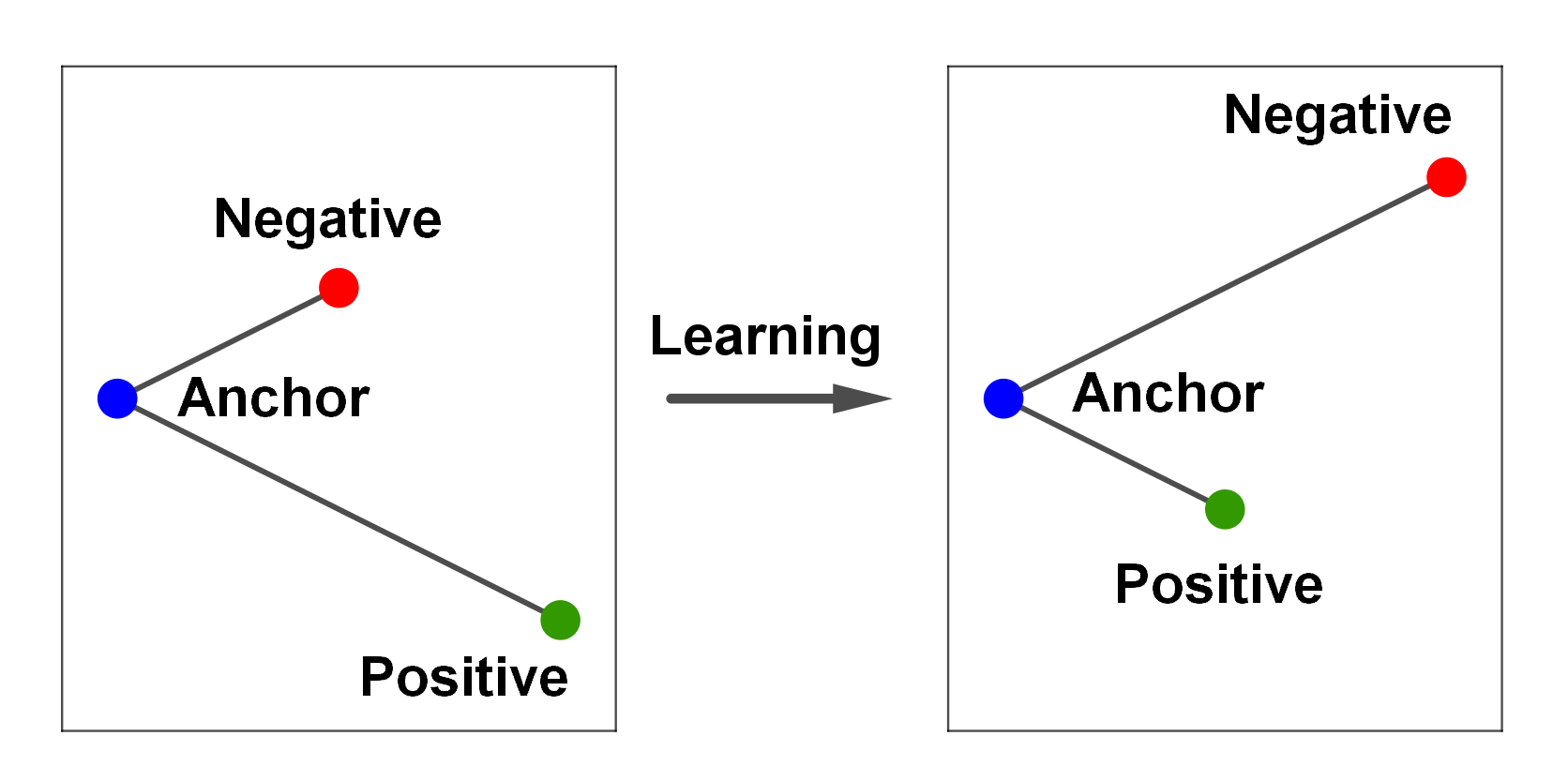
Contrastive learning
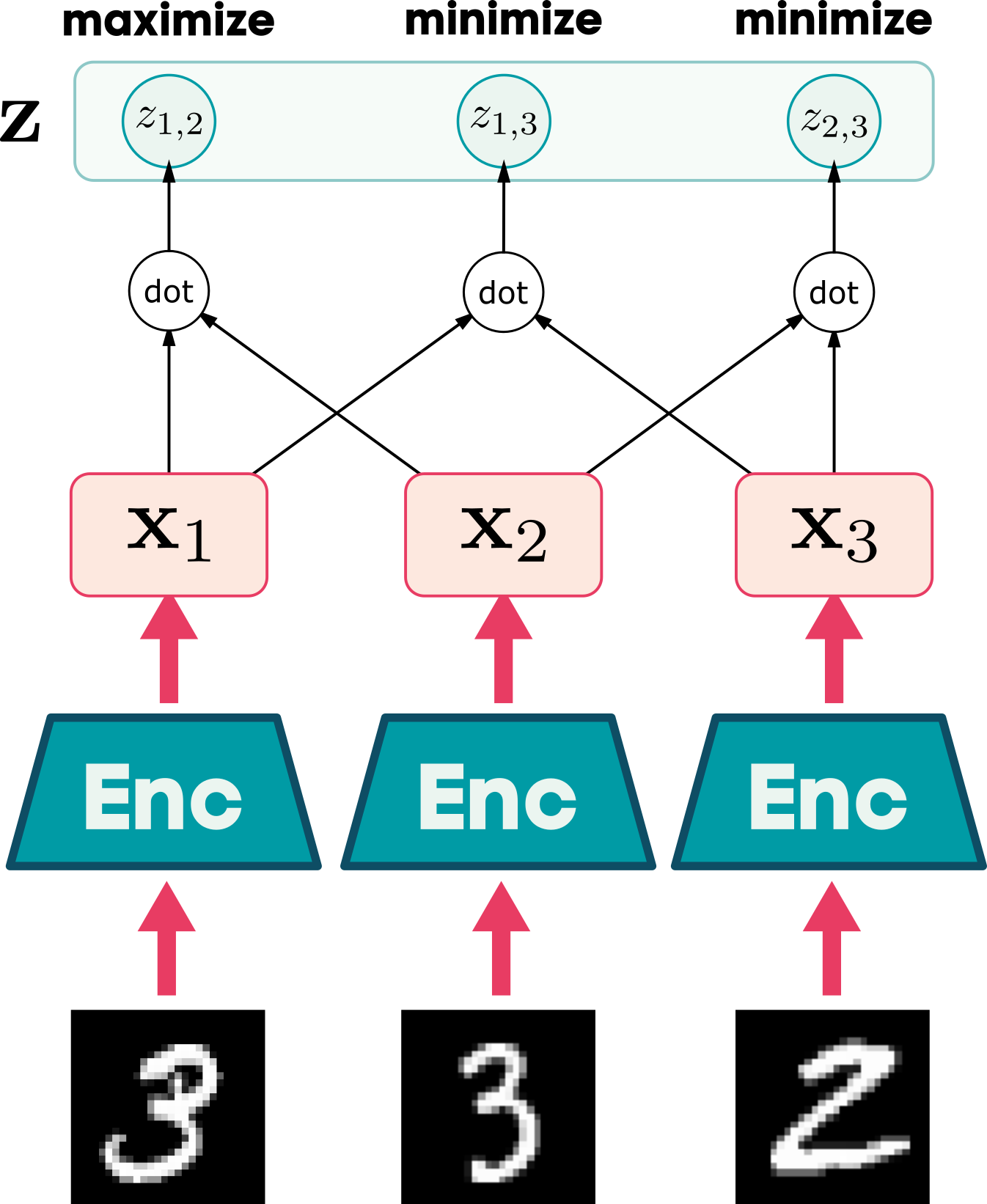
What negative samples?
- How do we select negative samples?
- Easiest is randomly
- But very likely to draw “easy” negative samples
- The model doesn’t learn as much contrasting against these
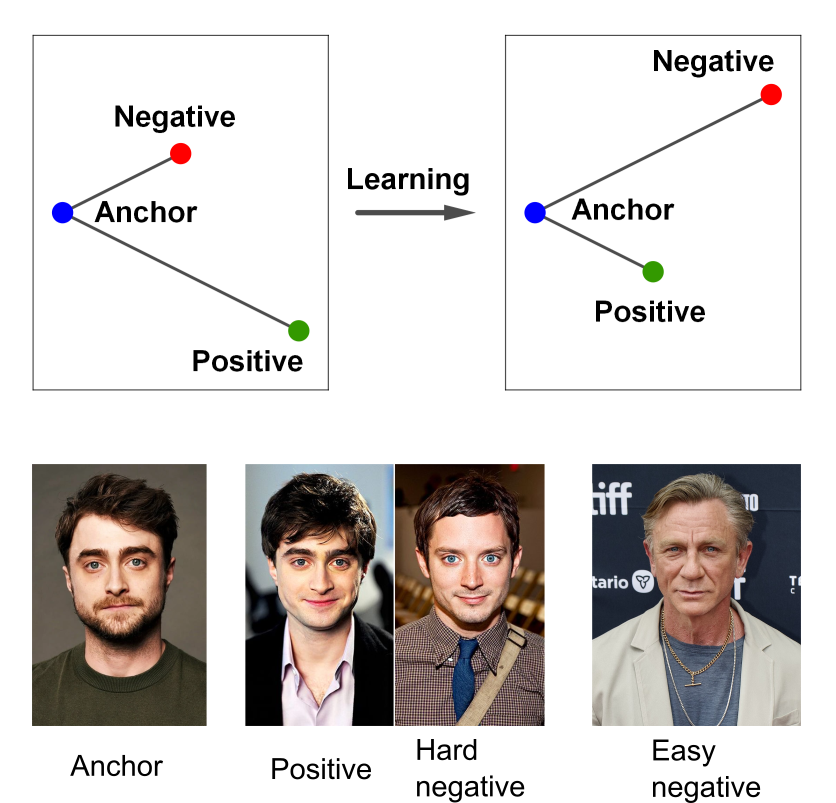
Why do we need negative samples?
Supervised contrastive learning
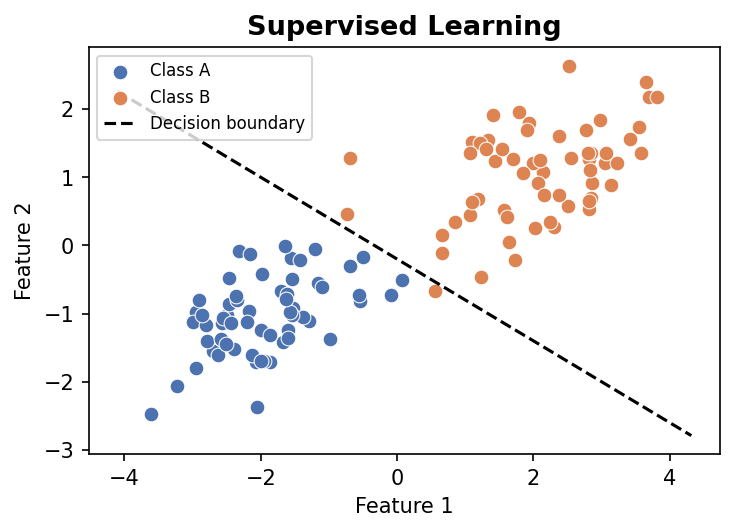
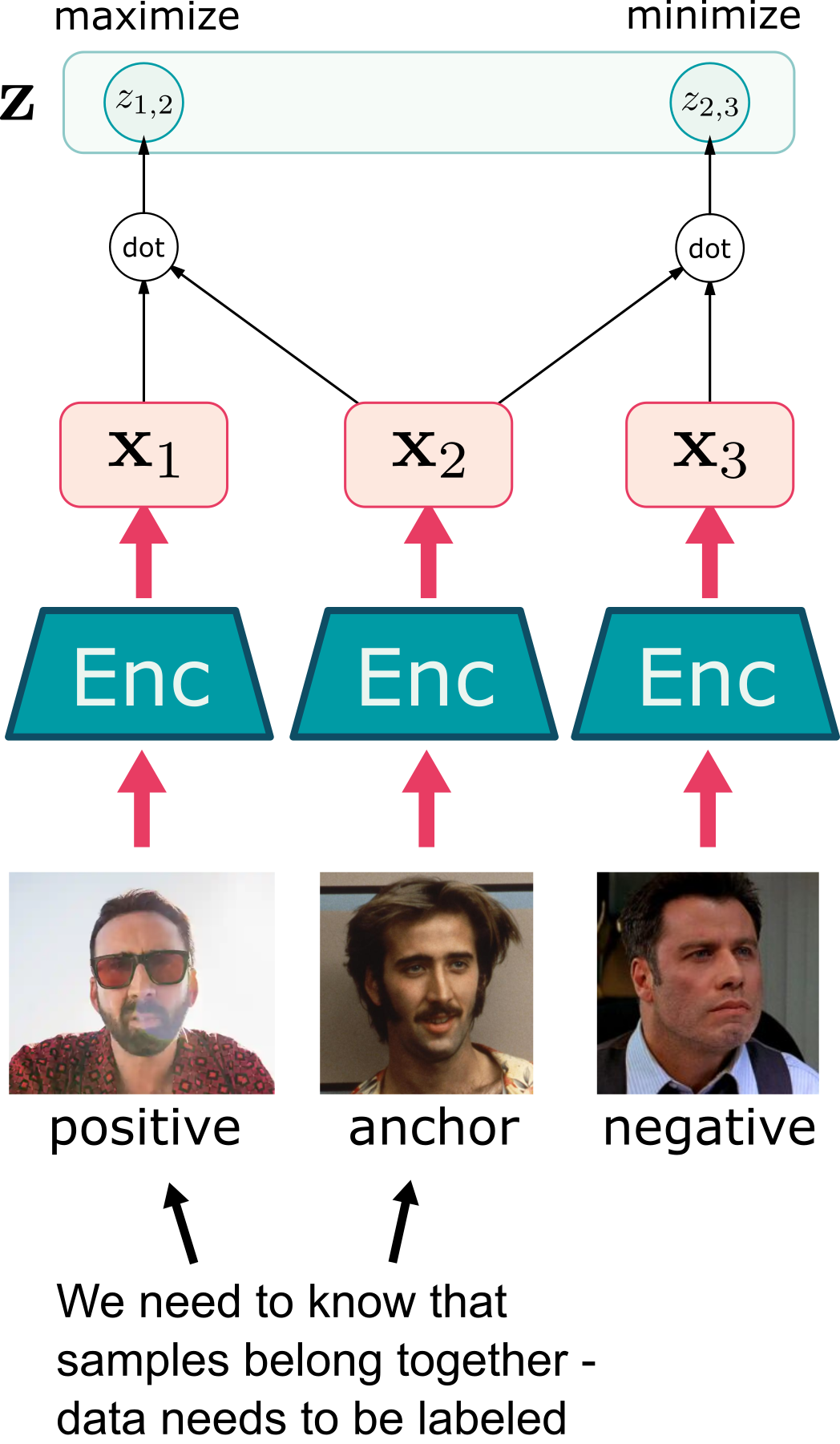
Self-supervised learning
What if we can use the data itself to drive the learning of representations?
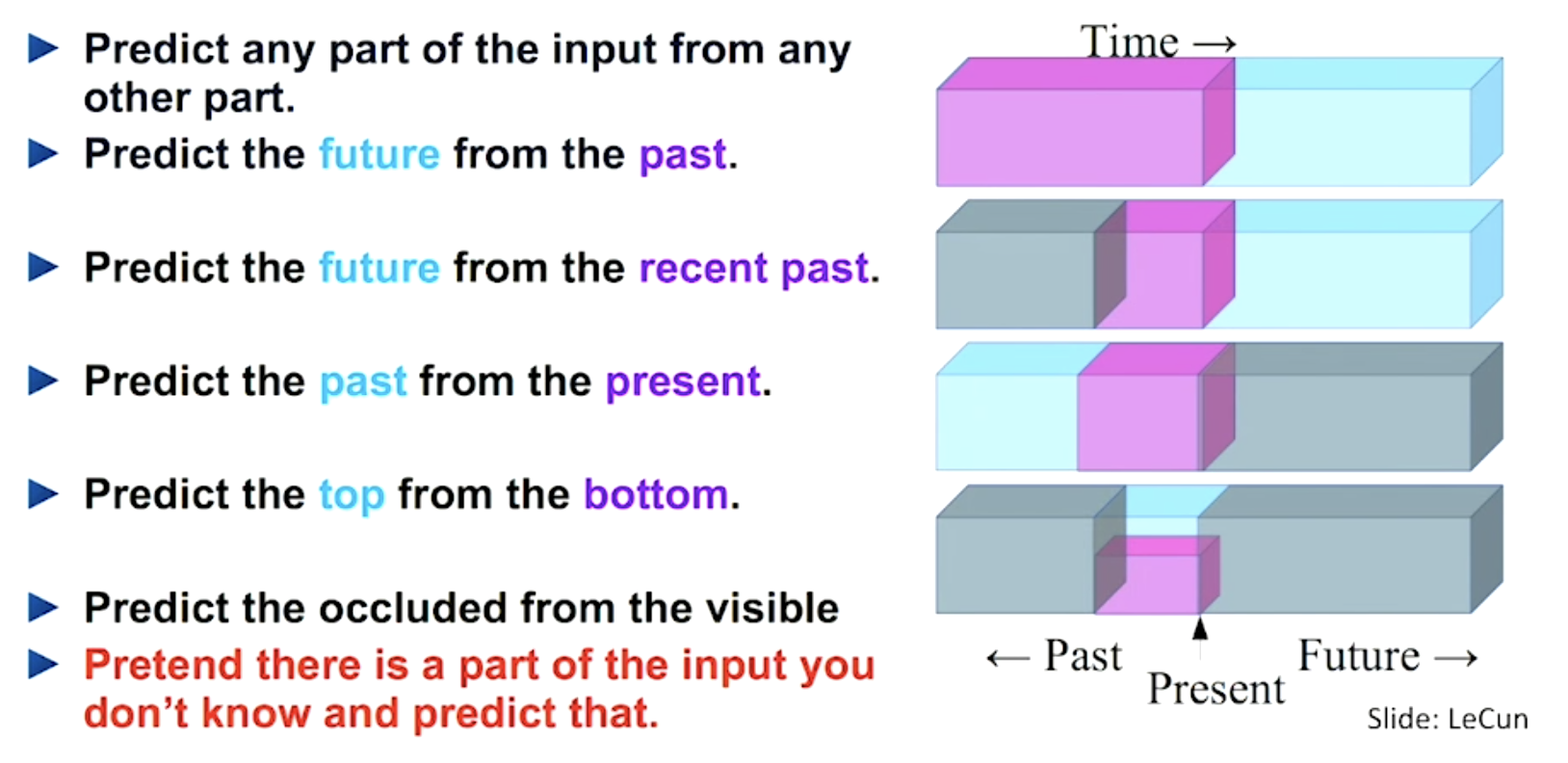
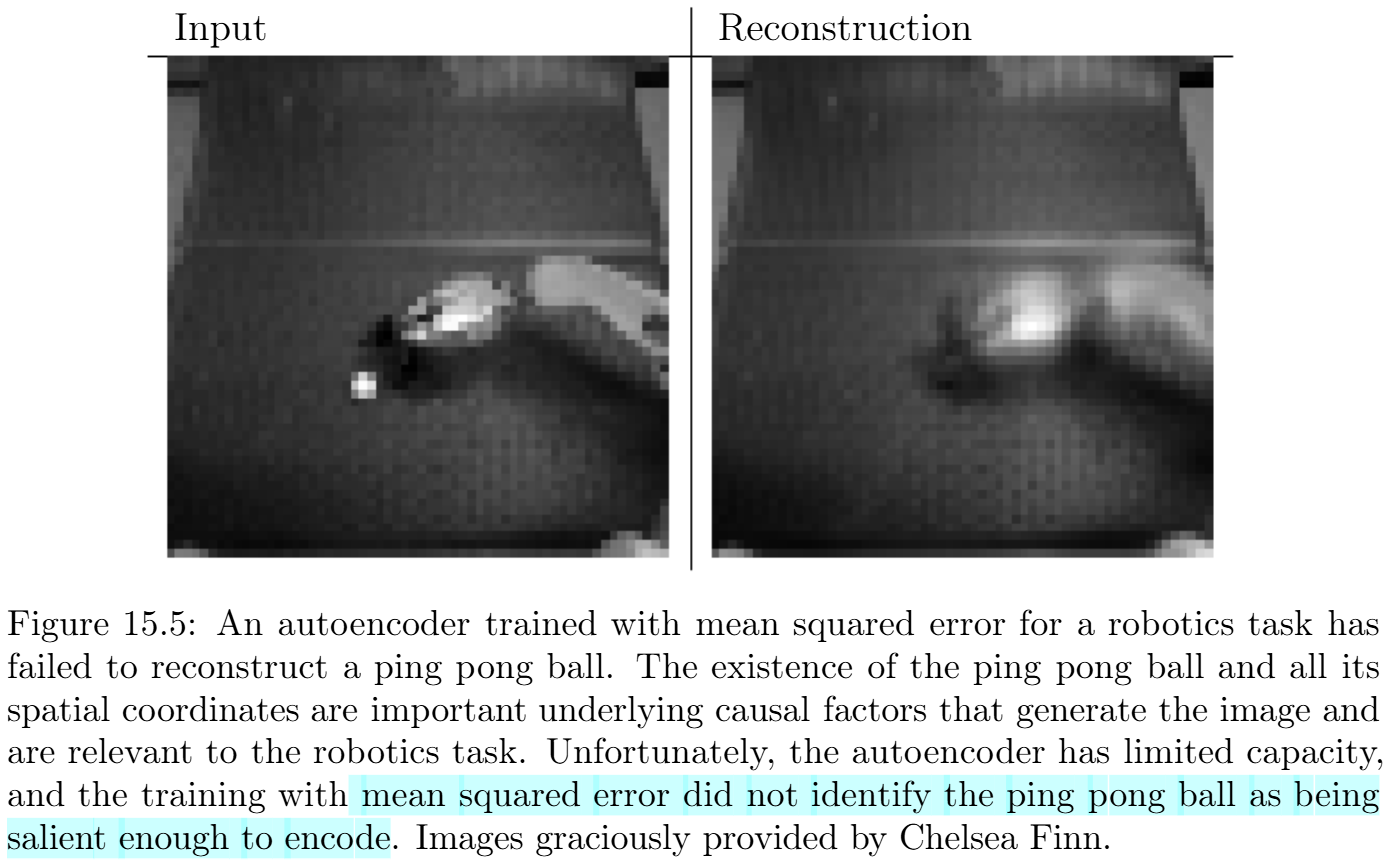
Shortcomings of autoencoders
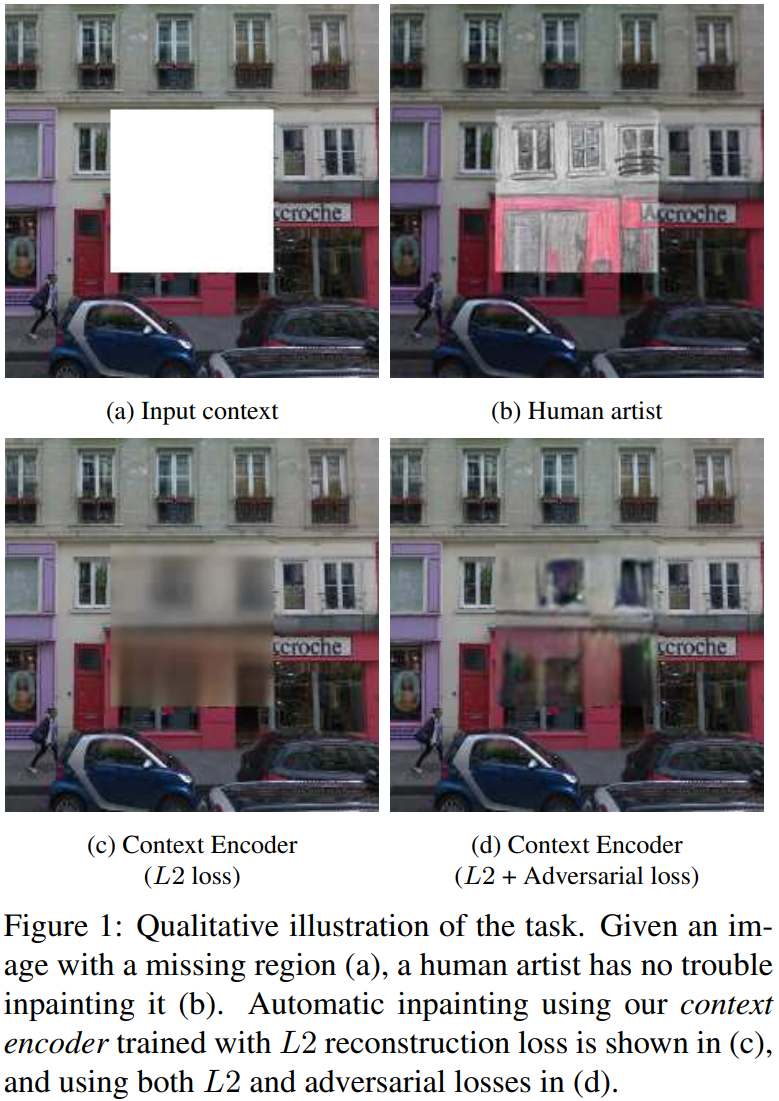
Self-supervised examples - predict in context
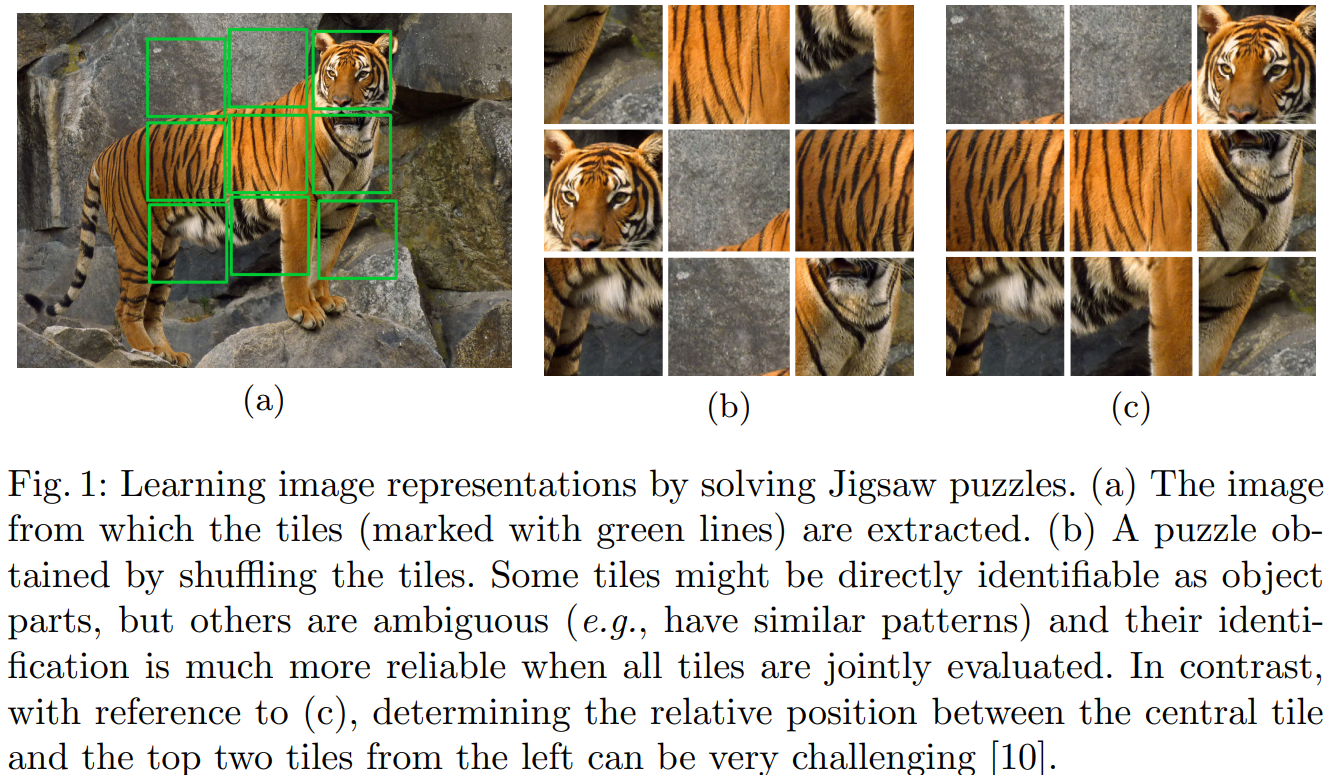
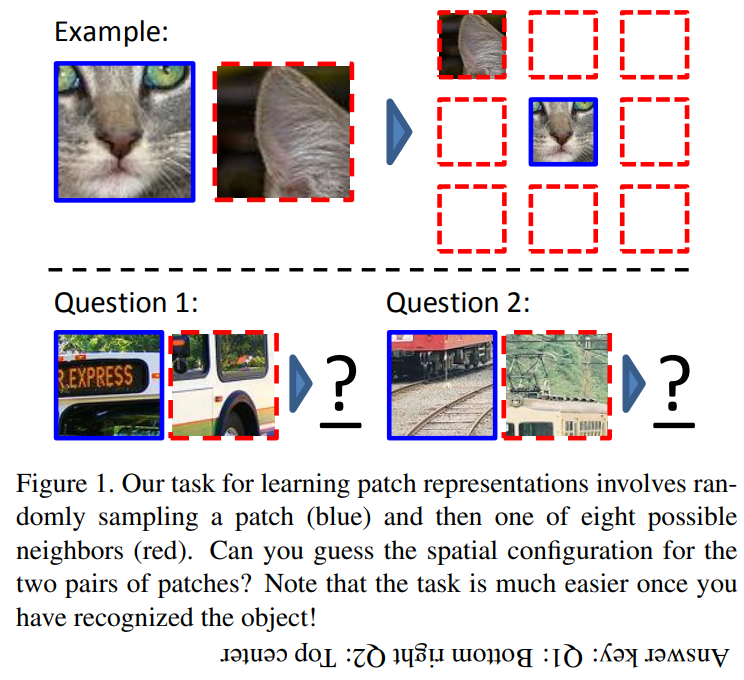
Constrastive self-supervised learning
- Instead of relying on existing positive pairs, we can create them
- As long as the pairs we create have a semantic association, there is something to learn
- SimCLR is a very successful example of this

BYOL - Bootstrap your own latents
- Instead of avoiding representation collapse by using negative contrastive examples, what if we have two different models?
- The main network we try to train – the online network
- Another network we use to create the representations – the target network
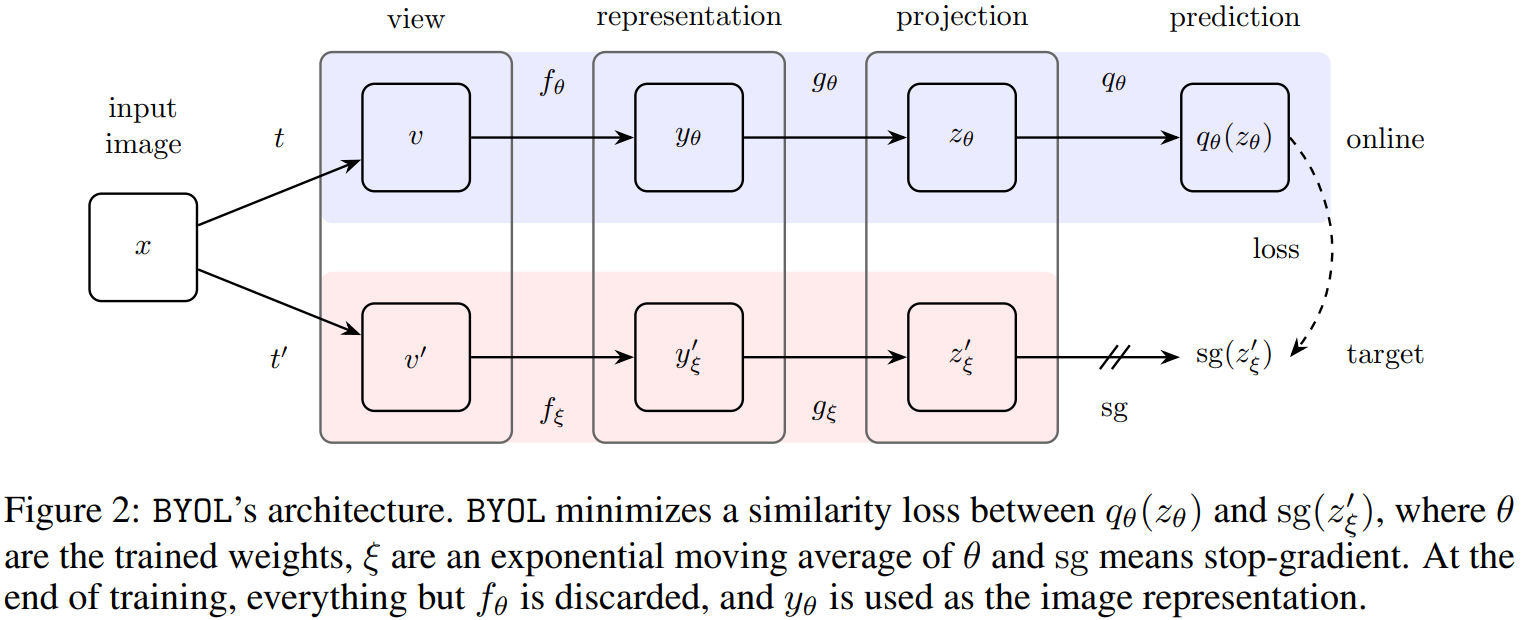
Grill, Jean-Bastien, et al. “Bootstrap your own latent - a new approach to self-supervised learning.” Advances in neural information processing systems 33 (2020): 21271-21284.
DINO = BYOL + Vision Transformers
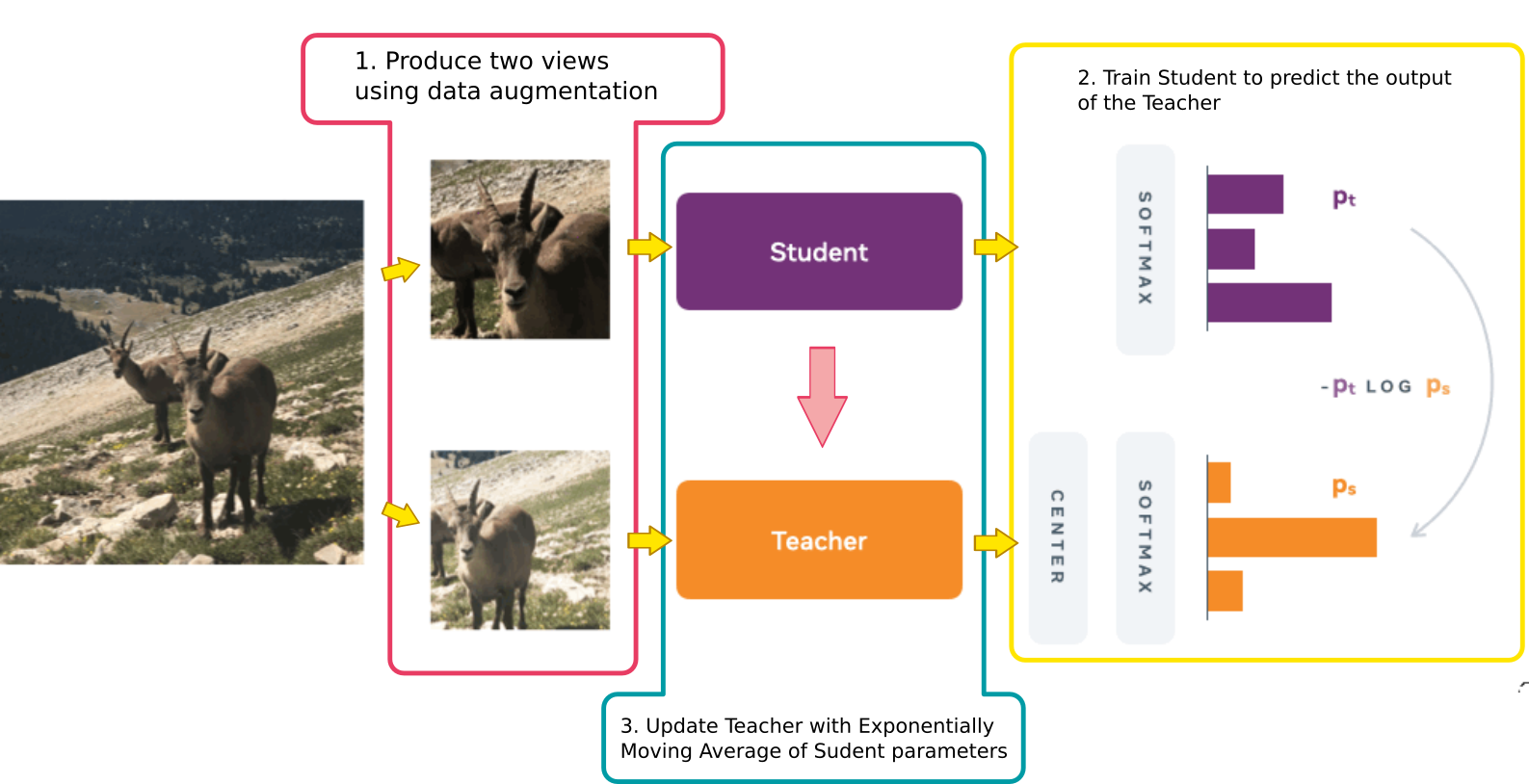
Caron, Mathilde, et al. “Emerging properties in self-supervised vision transformers.” Proceedings of the IEEE/CVF international conference on computer vision. 2021.
DINO v3
- Development of DINO v2 to increase model scale
- Large data with auto curation
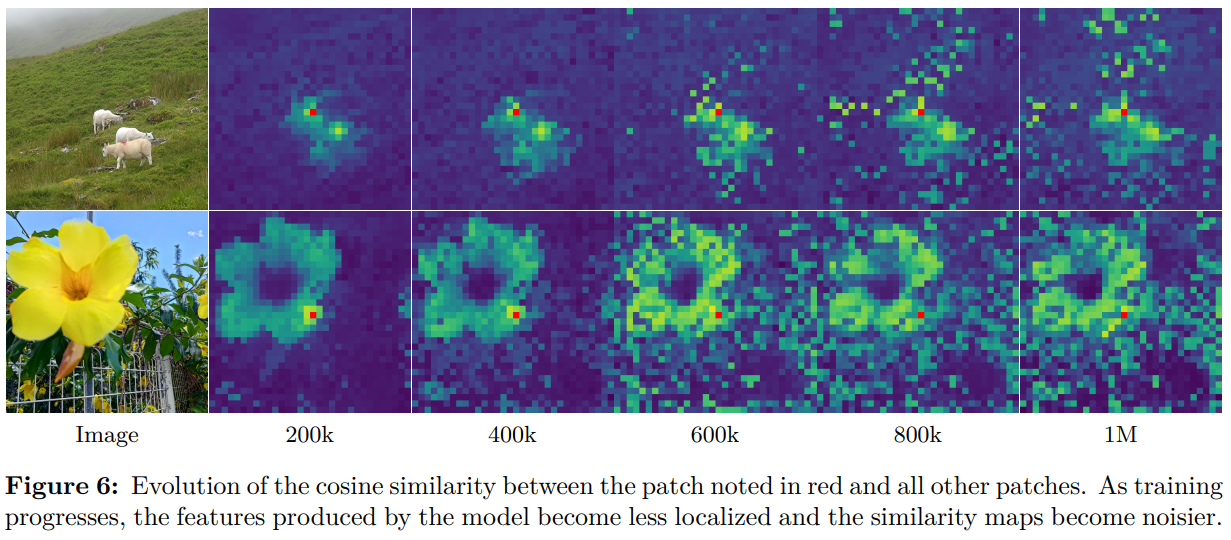
- Regularized patch representations with Gram matching
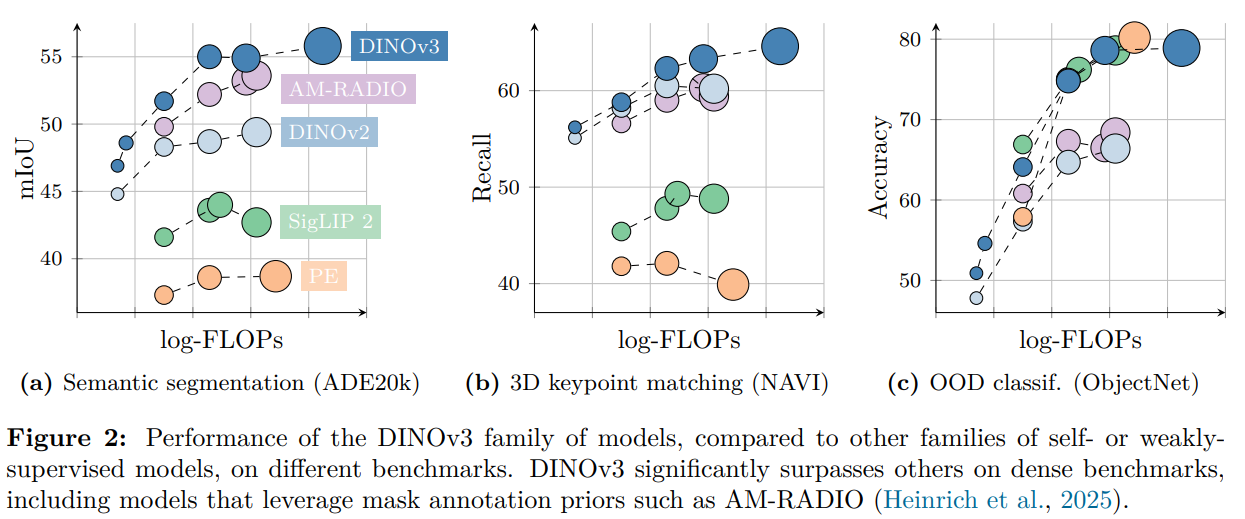
Siméoni, Oriane, et al. “Dinov3.” arXiv preprint arXiv:2508.10104 (2025).
DINO v3 - Gram matching
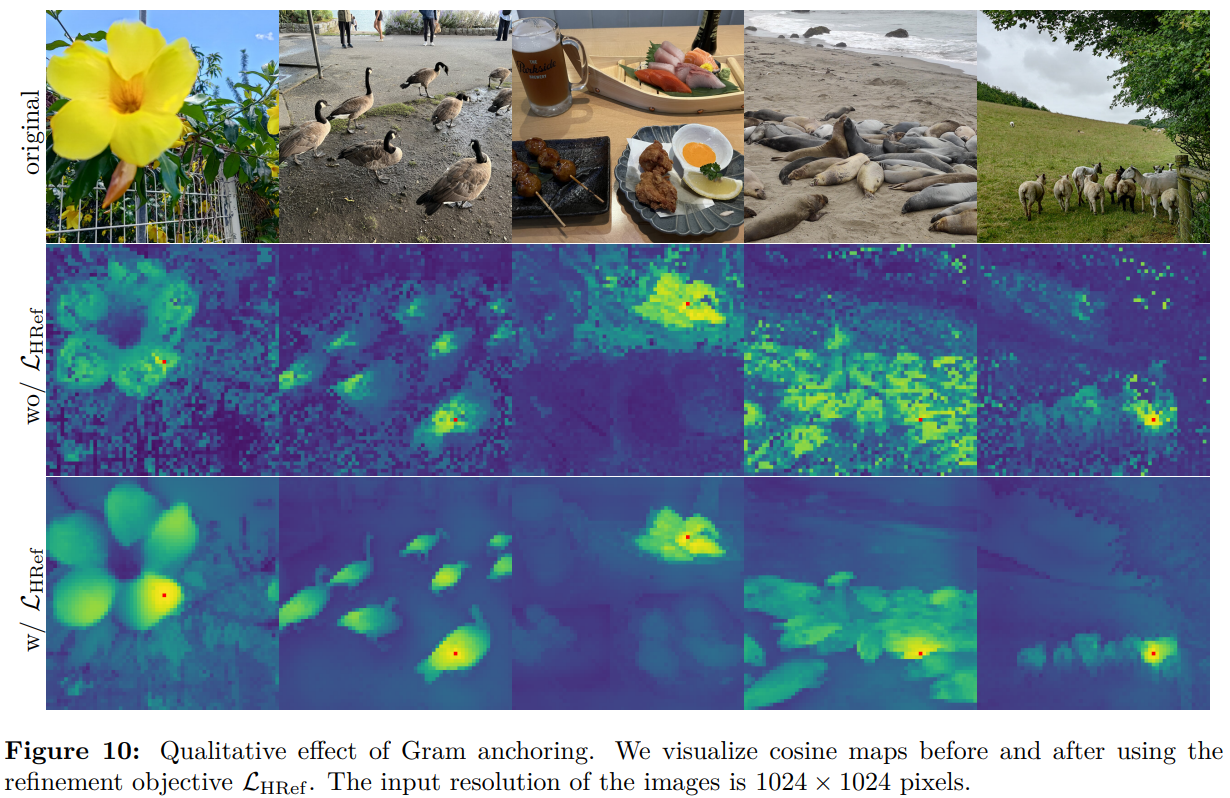
\mathcal{L}_\text{Gram} = \lVert \mathbf{X}_S \cdot \mathbf{X}_S^\top - \mathbf{X}_G \cdot \mathbf{X}_G^\top \rVert_\text{F}^2
Constrain all the pairs of inner products to be similar to an earlier version of the model
Multimodal Learning
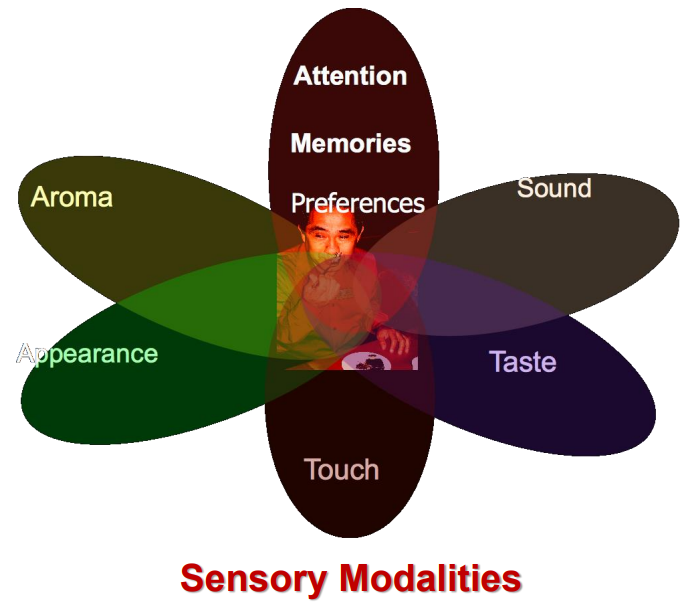
Multimodal Machine Learning tutorial - ACL2017 – https://www.cs.cmu.edu/~morency/MMML-Tutorial-ACL2017.pdf
Use modalities to label each other
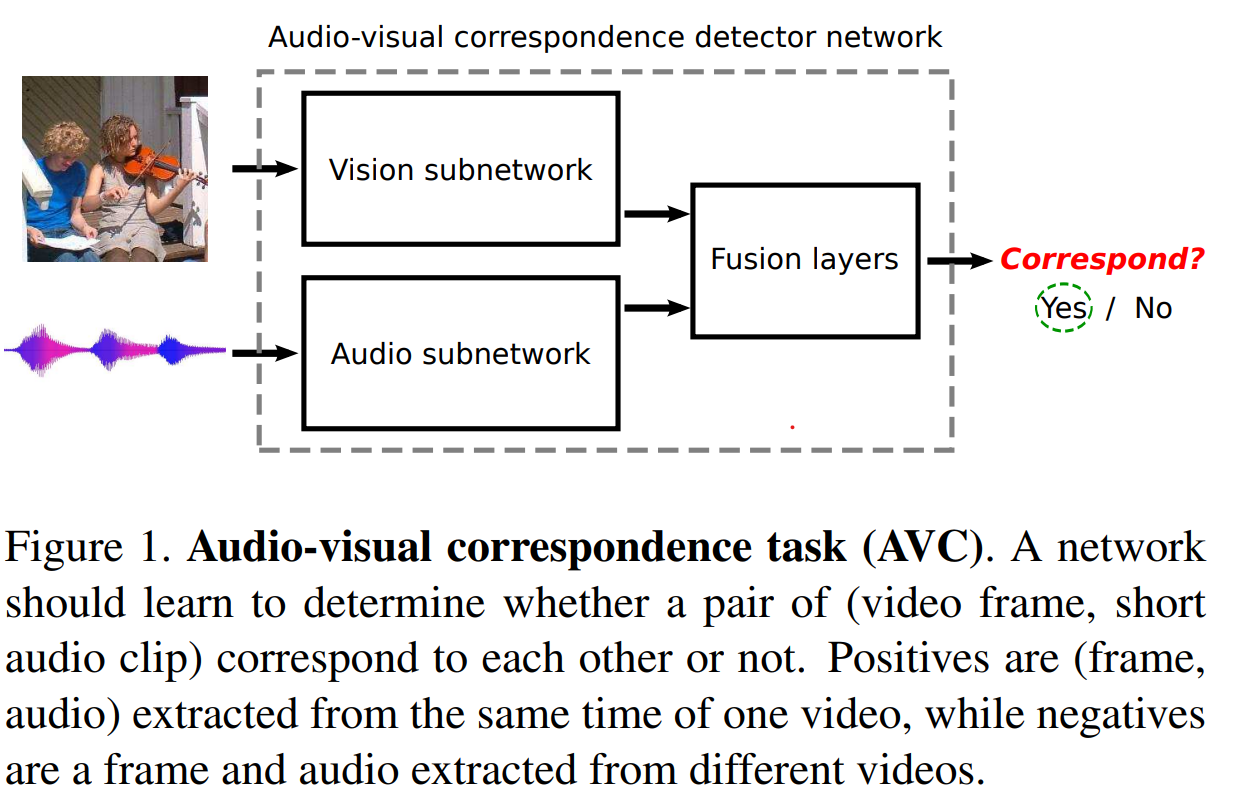
With multimodal data we have “natural” associations in the separate modalities.
Use modalities to label each other
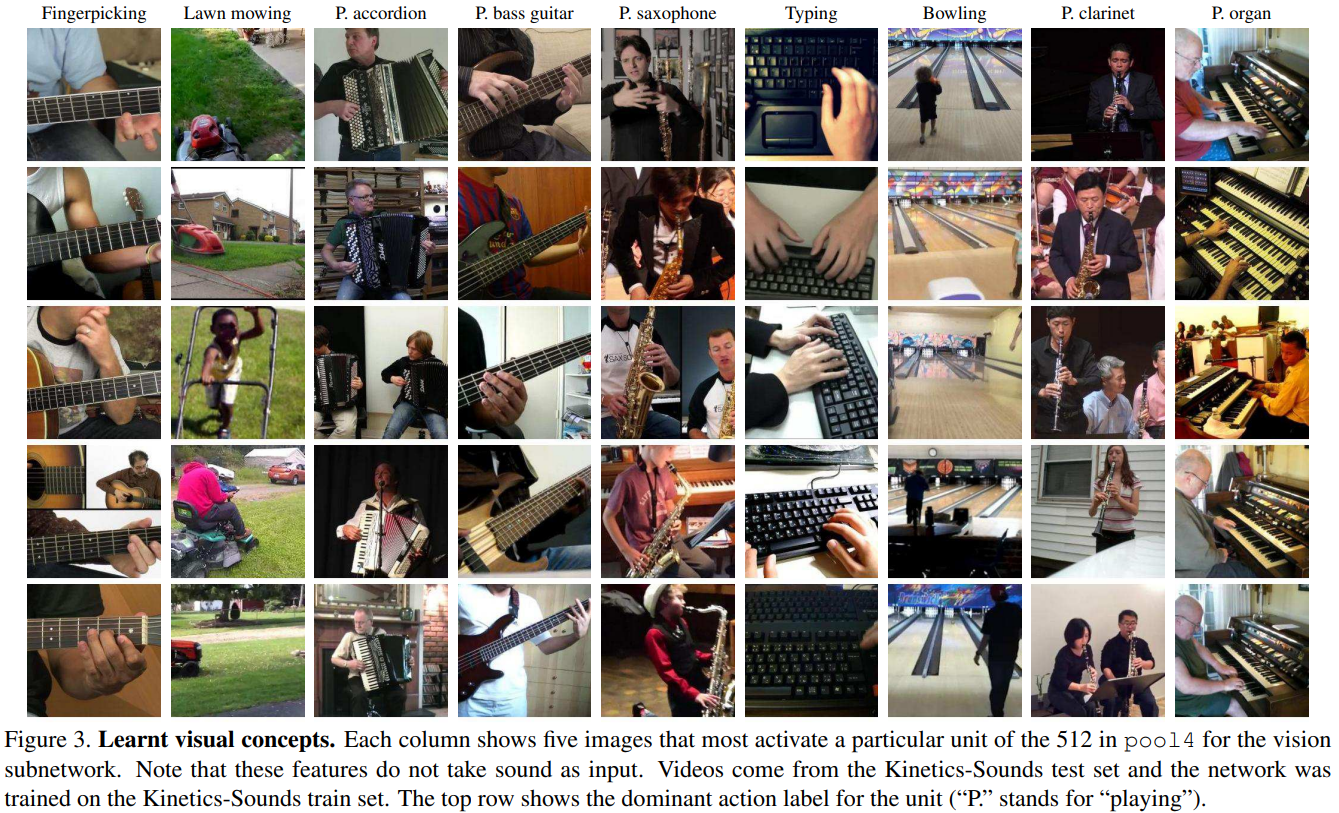
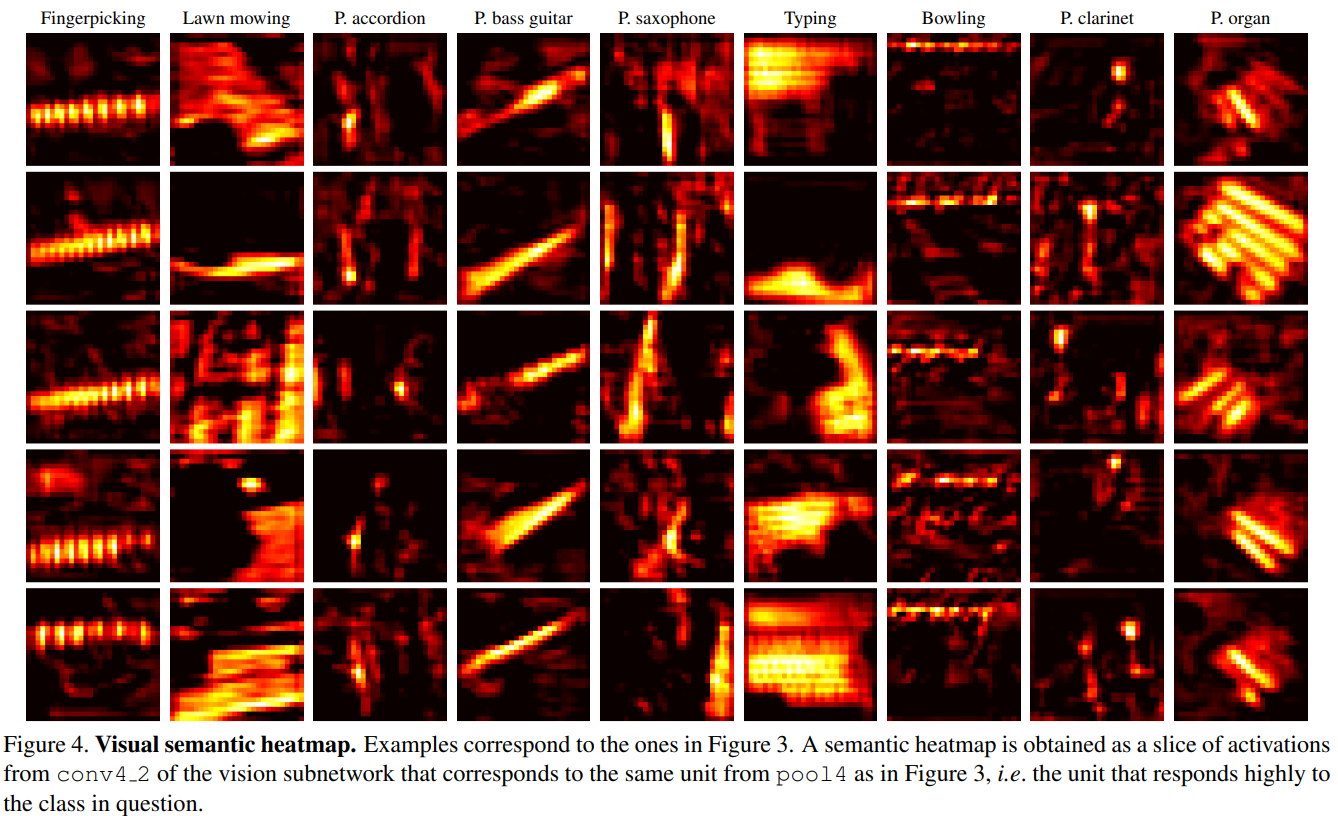
Use modalities to label each other
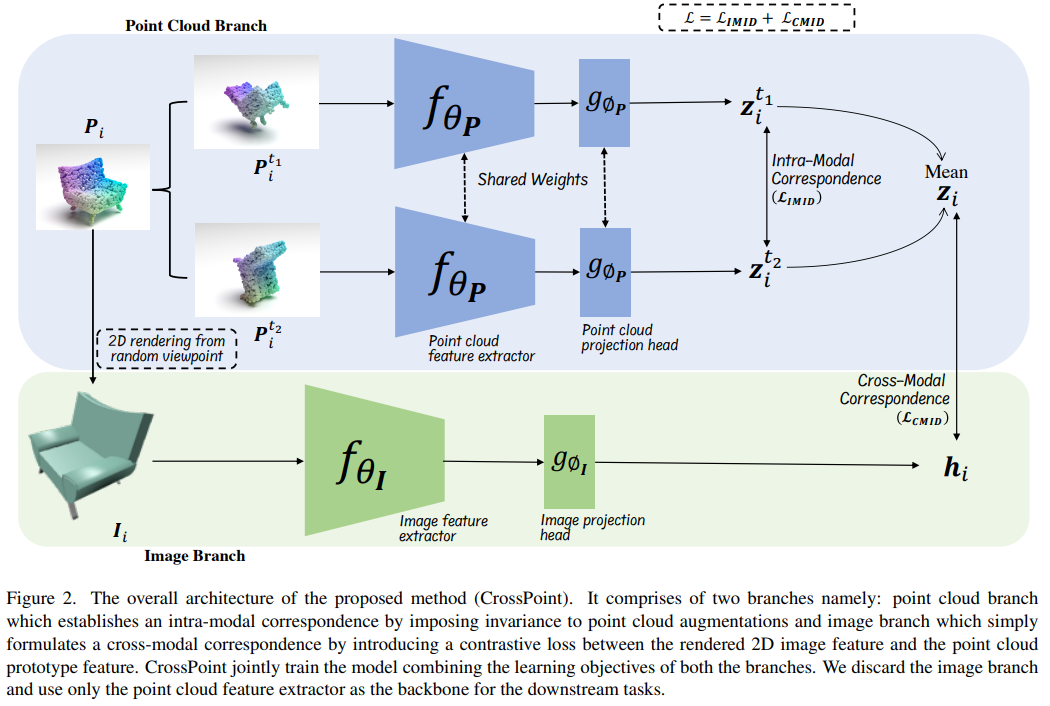
Afham, Mohamed, et al. “Crosspoint: Self-supervised cross-modal contrastive learning for 3d point cloud understanding.” Proceedings of the IEEE/CVF conference on computer vision and pattern recognition. 2022.
CLIP
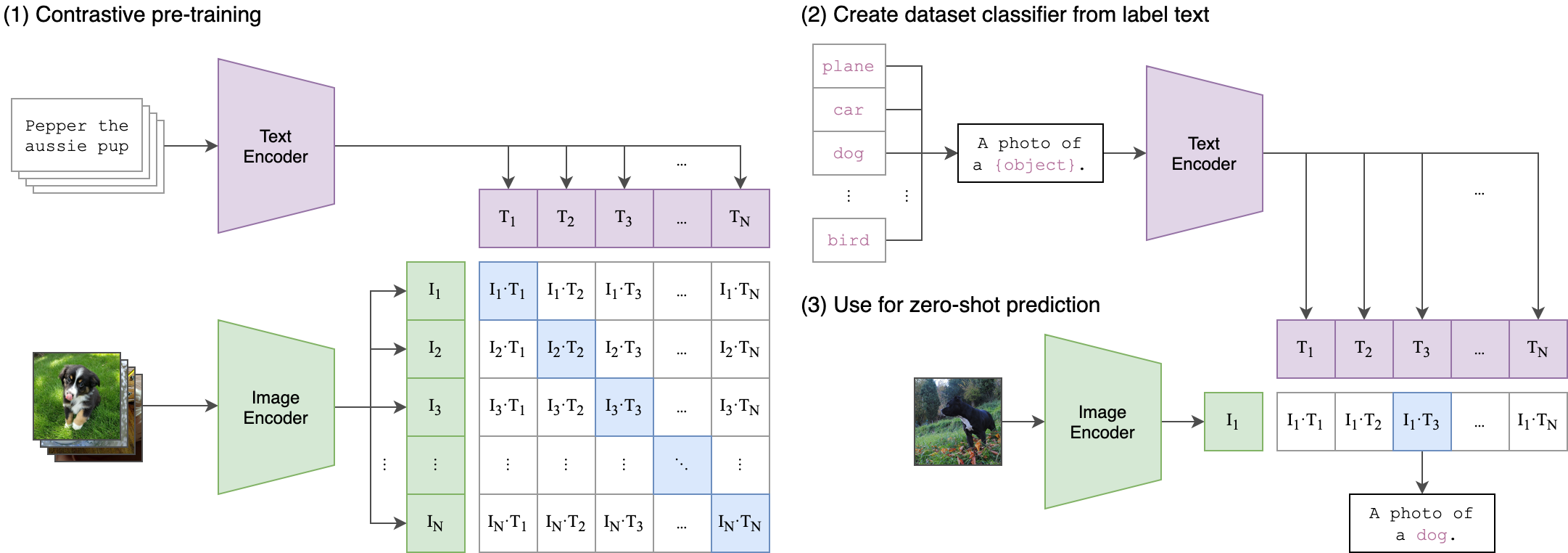
https://github.com/openai/CLIP
CLIP
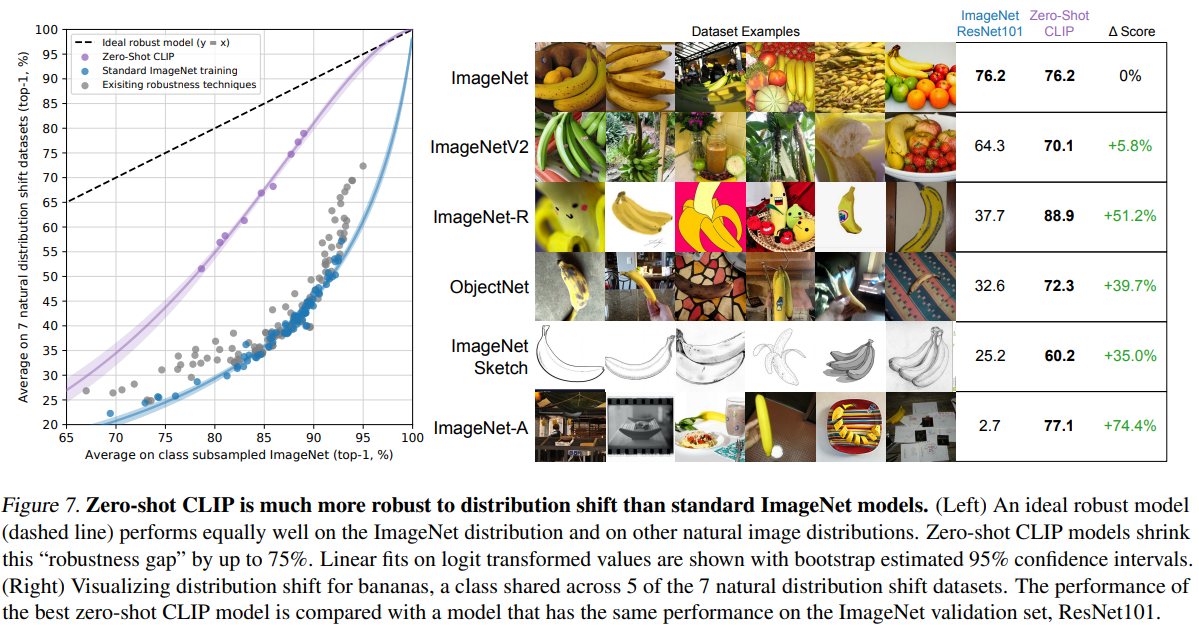
Radford, Alec, et al. “Learning transferable visual models from natural language supervision.” International Conference on Machine Learning. PMLR, 2021.
Summary
- Contrastive learning is a general technique for learning representations
- Self-supervised learning is about crafting ways of learning from unlabeled data
- Clever augmentations technique can use contrastive learning without labled data
- Multimodal data is perfect for contrastive learning, the modalities “label each other”